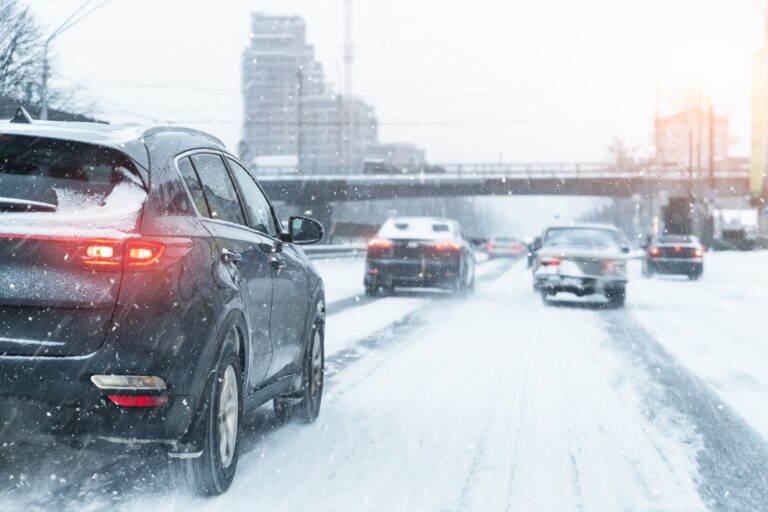
The holiday season is a time for family and friends, celebration, and with that, increased time on the road. But for the same reason – more travel, more late‑night driving, more alcohol and distraction – December and early January often see a spike in traffic fatalities. That makes the need for traffic safety more crucial than ever. Fortunately, modern technology is helping to reduce crashes, injuries and tragic deaths, especially during a time that should simply be joyful.
Why Holidays Are Especially Risky
According to the National Safety Council (NSC), around the recent holiday season nearly 310 people died on U.S. roads: 131 during the Christmas period alone, and another 179 during the New Year holiday period (NSC, 2024). Historically, crashes involving impaired driving have accounted for a significant portion of holiday fatalities (Statista, 2023).
Historically, December has been one of the most dangerous months of the year for road deaths. Between 2018 and 2022, nearly 4,759 fatalities due to impaired driving occurred in December, with 1,062 recorded in 2022 alone (The Advocates Injury Attorneys, 2023).
Given these sobering facts, strategic efforts and smart technology that reduce speeds, discourage risky driving, and enforce traffic laws, can save many lives during the holiday season and beyond
Automated Traffic Enforcement: Changing Driver Behavior Year-Round
In cities that have launched automated traffic enforcement pilots, citation data often show an early spike in tickets as drivers adjust to the new rules, followed by a steady decline as compliance improves.
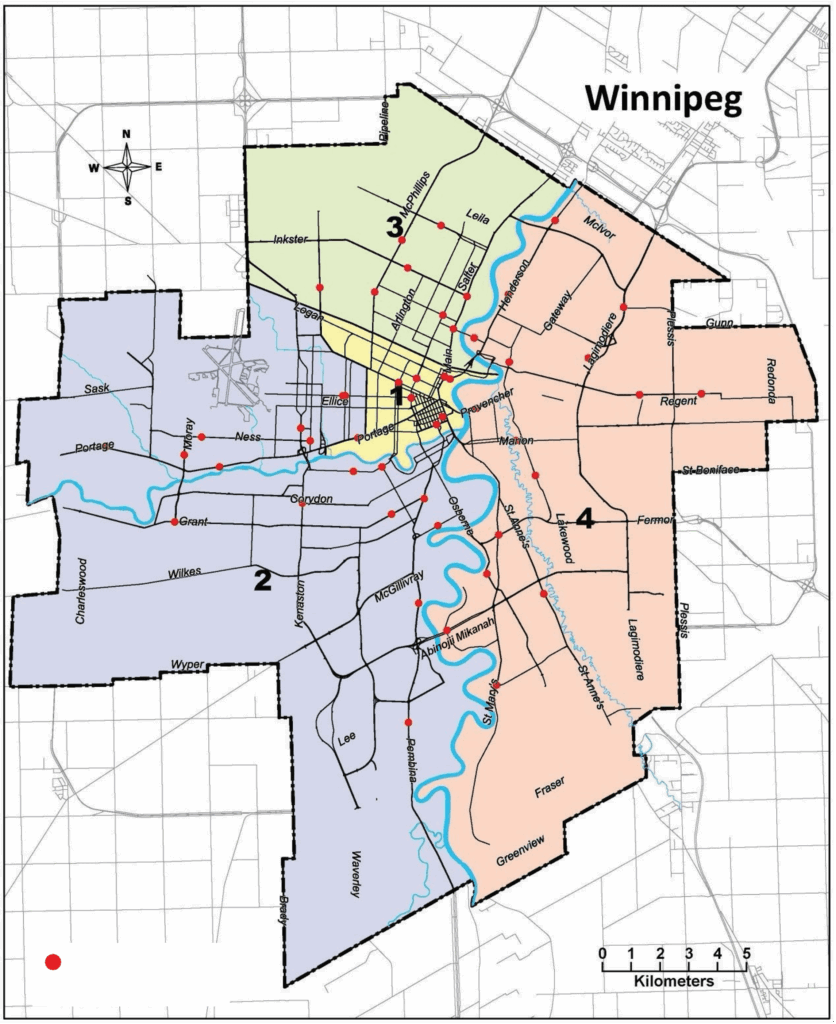
In Winnipeg, Manitoba, monthly data published by the Winnipeg Police Service show that red-light and photo speed enforcement consistently reduce violations during high-travel months like December. Between December 2021 and December 2023, total photo enforcement offences fell by more than 30%, even as winter traffic volumes returned to pre-pandemic levels. The drop highlights how consistent enforcement through the holiday season helps keep speeds in check and intersections safer, especially when weather, darkness, and seasonal travel make driving conditions riskier.
A similar pattern appeared in Rockville, Maryland, where city data showed a clear, month-by-month decline in speeding citations after speed cameras were installed in a residential safety corridor. In the first year of operation, violations fell steadily each month — culminating in the lowest counts by December— a clear sign that driver behavior changed once enforcement began.
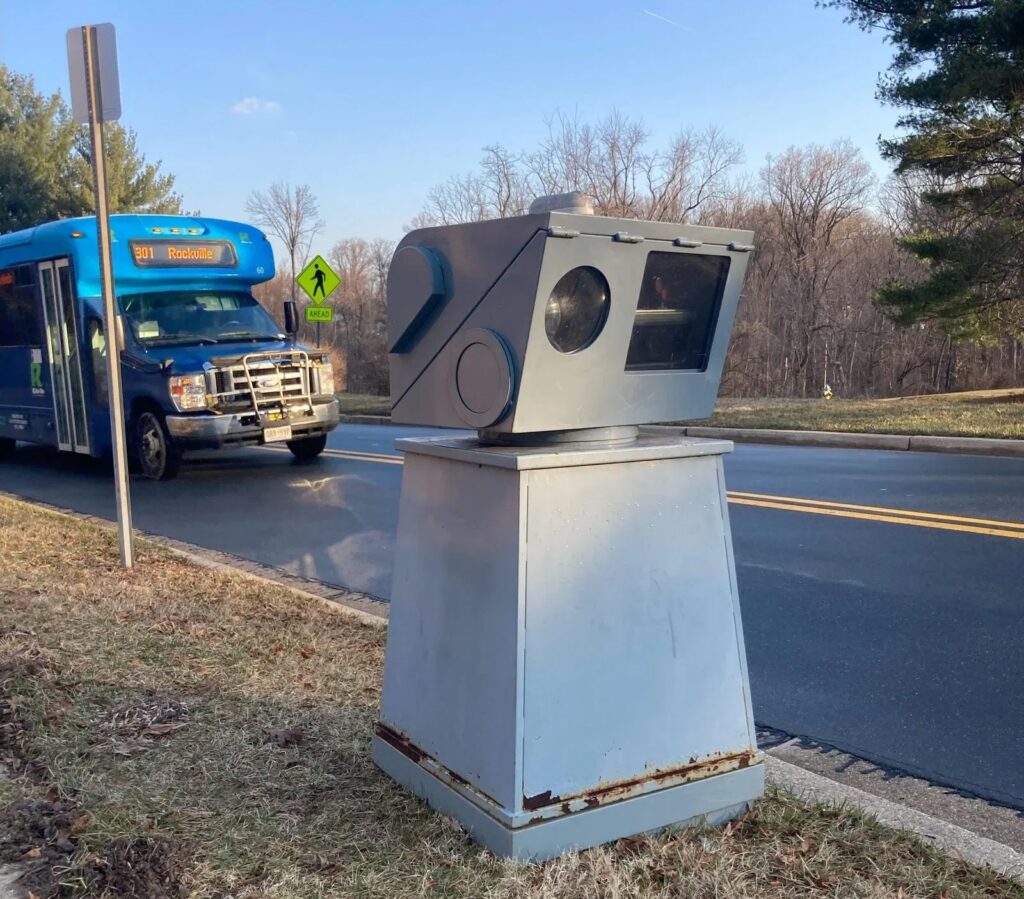
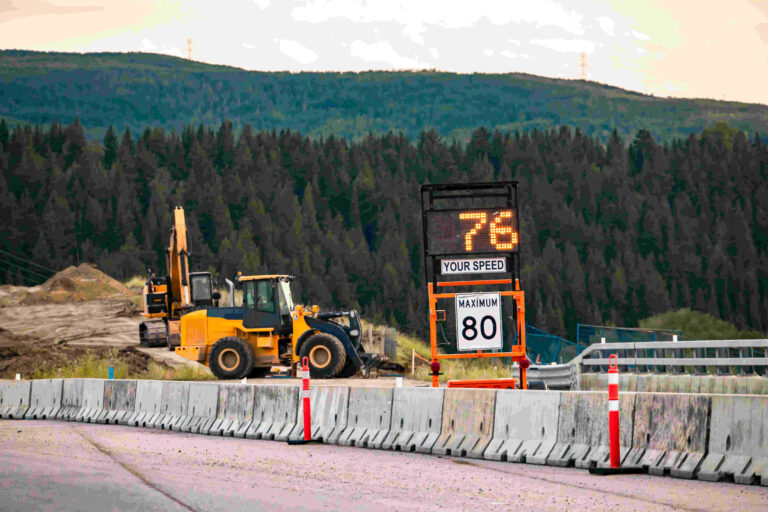
These local stories echo larger trends seen at the state level. In Delaware, the Department of Transportation’s Electronic Speed Safety Program (ESSP) reported 46% fewer total work-zone crashes and 38% fewer injury crashes after deployment. In Maryland, the State Highway Administration’s SafeZones program has achieved a roughly 90% reduction in ticketable speeding since its launch, cutting the share of drivers exceeding the 12+ mph threshold from about 7% to under 1%. These results demonstrate how steady, data-driven enforcement can reshape driver behaviour, especially in months like December when traffic risk peaks.
Beyond Cameras: Other Tech Tools That Increase Safety
While automated traffic enforcement (ATE) is among the most established technologies, it’s not the only one helping save lives. Several other innovations are gaining ground:
- Smart traffic prediction and warning systems: AI-driven, individualized driver-warning systems can predict likely red-light violations and warn drivers in real time to slow down or stop before running a light.
- Improved pedestrian crossing signals: Tools like the HAWK beacon (a specialized pedestrian-activated crossing signal) can dramatically reduce pedestrian crashes.
- Targeted enforcement in school and community zones: Municipalities in places like Virginia, Delaware, Indiana, and Chicago are using cameras in school zones or community safety zones. For example, Fairfax County, VA, and Chicago both report fewer violations after introducing automated school-zone and red-light enforcement programs.
- Public awareness and seat-belt campaigns supported by data: During holiday periods, widespread messaging supported by crash data reminds drivers and passengers to buckle up, which helps save lives in the event of collisions.
Why Automated Enforcement Deserves Trust and Transparency
Of course, widespread use of cameras and automated enforcement can stir public concerns, especially during the holidays where travelers don’t want their holiday spirit dimmed by a speeding or red-light ticket. Is this about safety or revenue? Are cameras fairly deployed, or biased toward certain neighborhoods? That is why transparency matters.
When jurisdictions clearly mark where cameras are used, post signs warning of upcoming enforcement zones, and pair automation with effective public education, the result is improved driver behavior with minimal controversy. In many states, camera deployment is only legal in high-risk zones (school areas, community safety zones, busy intersections) opposed to blanket deployment everywhere.
In places that have done this responsibly, safety benefits are clear: fewer crashes, fewer injuries, fewer deaths, especially at times like holidays, when road risk spikes.
A Critical Time: Holidays Demand All Tools in the Toolbox
With December historically among the deadliest months on the road, the holiday season demands more than just hoping drivers obey the rules and drive responsibly. It demands that communities use proven, data-driven tools.
Automated traffic enforcement along with modern pedestrian signals and real-time driver warning systems can reduce crash risk significantly. They do not require a police car at every street corner during the holidays either. They enforce the rules consistently around the clock. And they save lives by causing a lasting change in driving behavior.
But for this to work, enforcement must be fair and transparent. Communities must be open about where and why cameras are placed. They must combine cameras with clear signage and public education. And they should target deployments where risk is highest, such as intersections, school zones, safety corridors, not simply where they might generate the most fines.
When this happens, technology becomes an ally, especially during a season when trips are long, roads are busy, and many people may be tired or distracted, and can help make holiday travel safer for everyone.