
New to Automated Traffic Enforcement?
Start your journey toward
safer communities fairer enforcement better compliance proven outcomes
A practical guide for cities and counties exploring automated traffic enforcement programs.
What Is Automated Traffic Enforcement?
Automated Traffic Enforcement (ATE) uses camera and sensor technology to detect traffic violations such as speeding or red-light running.
When implemented responsibly, automated traffic enforcement supports safer roads, more consistent enforcement, and data-driven decision-making.





Proven Results
Data-driven insights to curb bad driving behavior, manage traffic congestion, and reduce fatalities and injuries.
of U.S. state and local automated enforcement program implementations
fewer deaths in cities with red-light cameras
U.S. lives could be saved annually by adding speed cameras on local roads
The Lifecycle of an Automated Traffic Enforcement Program
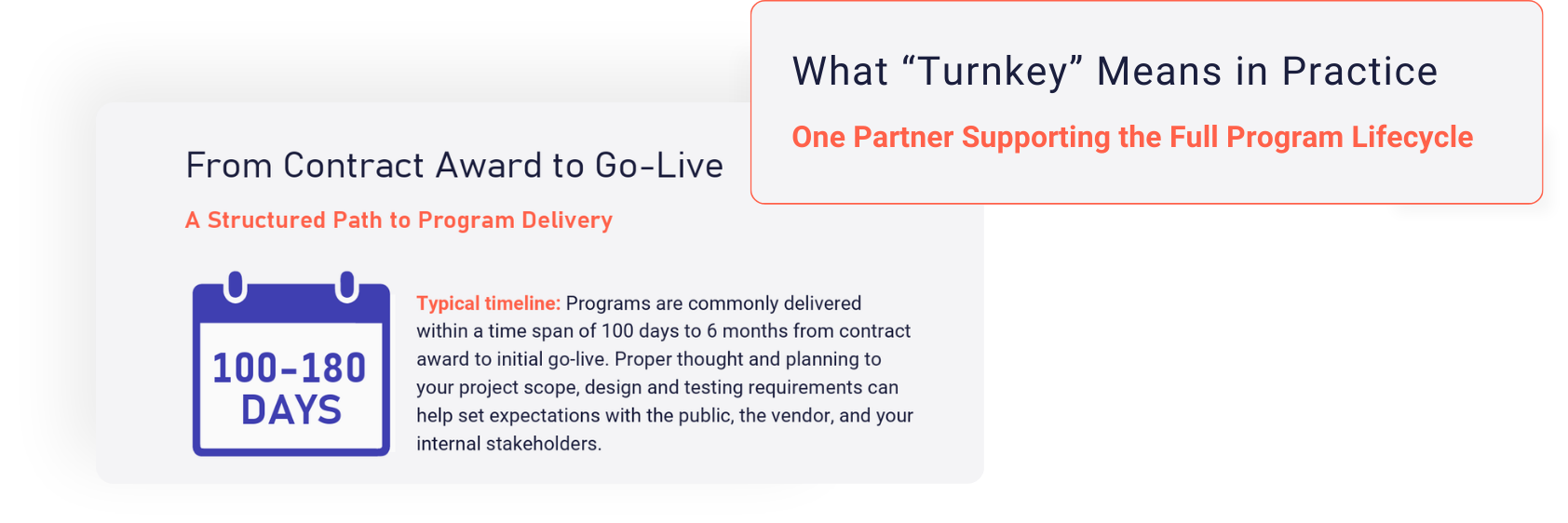
Launching an ATE program takes more than cameras. Successful municipalities follow a structured lifecycle:
Download the pdf to learn more
The Six Fundamentals of a Successful ATE Program
By implementing the right combination of tools and techniques, state and local agencies can leverage automated traffic enforcement to cost-effectively and efficiently help improve public safety for everyone on the road.
Download the pdf to learn more
Know Your Laws
Before You Launch
Before implementing an Automated Traffic Enforcement program, municipalities must confirm key legal requirements. ATE rules differ widely by state and often by city.
Getting just one detail wrong can pause programs, invalidate citations, or erode public trust. The safest path is partnering with a turnkey provider that builds compliance into every step.

race or ethnicity"
Safety Association
Ensuring Fairness and Public Trust
Automated Traffic Enforcement (ATE) has evolved beyond ticketing. It is now a data-driven public safety tool that can help cities protect lives and promote fairness — when deployed with knowledge and intent.
By integrating predictive analytics, demographic insight, and transparent reporting, ATE providers can reduce enforcement disparities while improving safety outcomes for all communities.
Download the pdf to learn more
Frequently Asked Questions
Depending on legislative readiness and procurement processes, implementation typically ranges from several months to a year.
ATE programs are intended to improve roadway safety. Many jurisdictions restrict how revenue may be allocated.
Placement is typically guided by crash data, speeding studies, and risk analysis.
Programs must adapt to legislative updates. This may involve operational changes, reporting adjustments, or technology updates to remain compliant. Ongoing legal review is recommended.
Many jurisdictions require advance public notice, signage, or warning periods before issuing citations. Requirements vary by state and should be confirmed during the legal review phase.
Municipalities often assess:
- Image clarity and evidence capture
- Data security protocols
- Audit trails
- System uptime reliability
- Integration with citation processing systems
Evaluation criteria should align with legal requirements and operational needs.
Community response varies. Transparent communication, clear safety goals, advance signage, and regular public reporting significantly improve acceptance. Programs framed around safety outcomes rather than revenue tend to gain stronger support.
In most programs, yes. Many state laws require a sworn officer or authorized official to review violation evidence before a citation is issued to ensure accuracy and compliance.
When deployed using objective data and consistent violation thresholds, ATE can reduce discretionary enforcement and promote uniform standards. Equity-focused placement strategies and transparent reporting are key components of responsible programs.
ATE programs often involve collaboration between:
- Law enforcement
- Transportation or public works
- Legal counsel
- Finance
- Communications teams
Cross-department alignment improves long-term success.