North Carolina Has Authorized School Zone Speed Cameras. Is Your Agency Ready to Deploy?
SB 391 (S.L. 2025-47) is already law — effective October 1, 2025. Every city and county in NC is now authorized to activate school zone speed cameras. The procurement window is open today.
Where North Carolina Stands
Unlike states still waiting for authorization, North Carolina municipalities can act right now. Three legislative tracks shape today’s opportunity and what comes next.
SB 391 — School Zone Speed Cameras
All NC cities and counties are authorized to deploy automated speed enforcement in school zones. Each municipality must pass a local ordinance to activate their program.
NC Fines & Forfeitures Clause
NC’s constitution requires 90% of gross penal fines to flow directly to local school systems. Elovate’s pricing model is fully aligned with this constitutional requirement.
HB 982 — Highway & Work Zone Expansion
House Bill 982 (NC Highway Safety Act of 2025) would expand automated enforcement to state-maintained highways and NCDOT work zones.
What Happens After the Law Passes
The law is already passed. Here’s where NC agencies stand in the deployment process — and what to prioritize at each stage.
📍 UNC Highway Safety Research Center (HSRC) is the state’s official SB 391 technical assistance provider, building a resource library for municipalities considering programs. Agencies that engage vendors early — before formal RFPs — consistently achieve better program outcomes and faster go-live timelines.
Solutions for Every North Carolina Use Case
Elovate’s turnkey platform covers every enforcement scenario North Carolina legislation authorizes.

Speed Enforcement
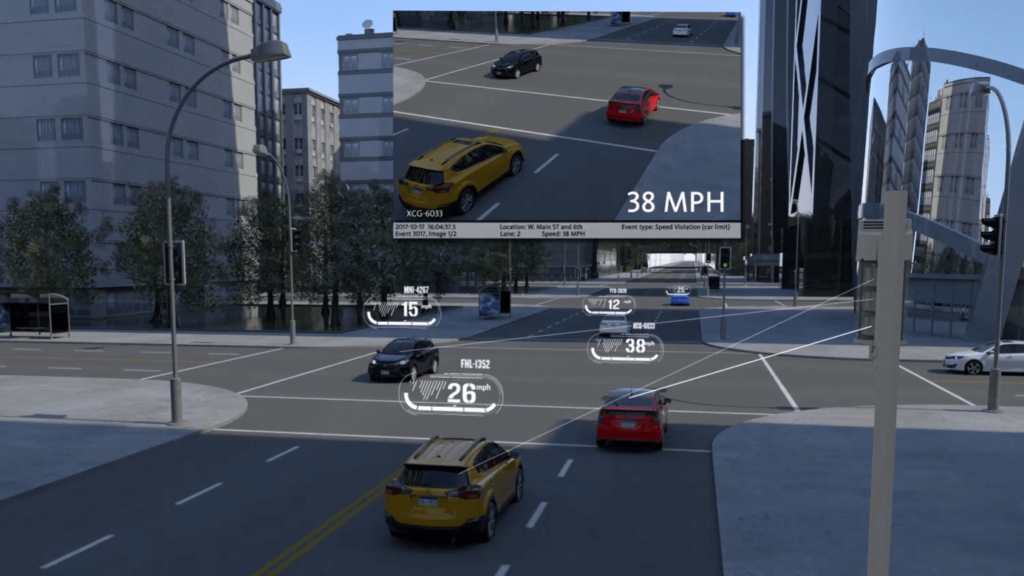
The industry’s most flexible solution, powered by AI-enabled cameras. Proven to reduce fatalities and increase compliance.

Red-Light Enforcement
Red-light cameras are authorized under NCGS §160A-300.1. Reduce fatal intersection crashes by up to 21%. As NC’s ATE landscape expands, Elovate is ready to support red-light programs statewide.

Work Zone Enforcement
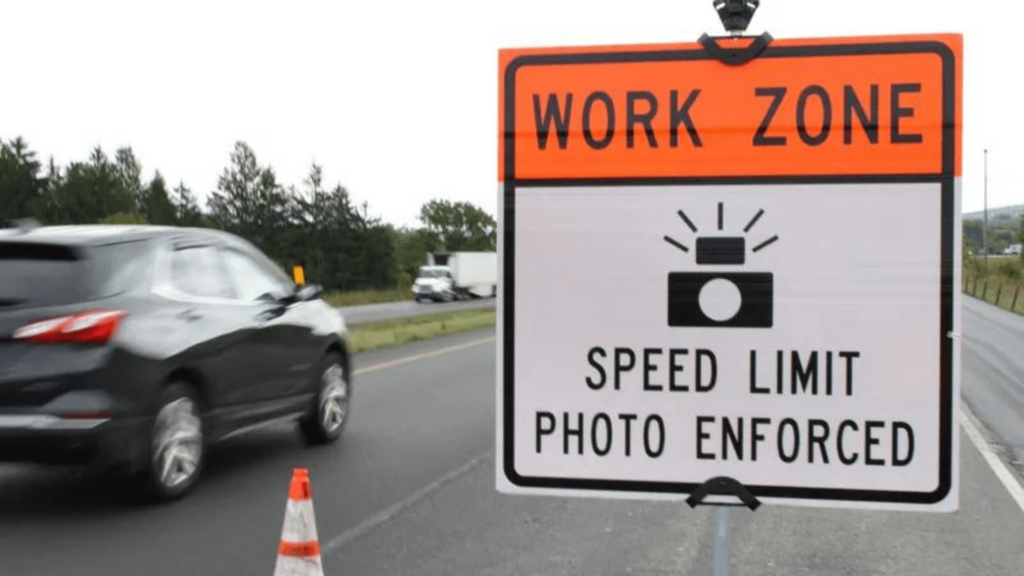
HB 982 would open NC highways and NCDOT work zones to automated enforcement. Elovate operates more active statewide work zone programs than any other US vendor. Delaware’s program delivered a 46% crash reduction.

School Zone Enforcement
SB 391 is live — every NC municipality is authorized today. Elovate delivers a complete turnkey school zone program. Fairfax County saw a 24% drop in school zone speeding. Howard County reduced collisions by 41%.

The Technology Behind Every Program
One proven platform — adaptable to every enforcement scenario North Carolina municipalities will need to deploy.
- AI enabled cameras — high-resolution capture with automated violation detection, built for all weather conditions
- Scanning LiDAR & tracking radar — the most accurate speed measurement available; used in every Elovate statewide program
- CiteWeb® violation processing — complete chain of custody and 100% audit trail on every citation
- 30M+ events processed annually — proven at state scale, not just pilot scale
The Partner North Carolina Needs
We’ve helped states launch ATE programs from scratch and build programs that last decades.
-
Aligned with North Carolina’s constitutional intent
We don’t do revenue share. We never have. Our model is built around behavior change, not citation volume.
-
30+ years supporting municipalities across North America
From Virginia’s statewide program (live April 2026) to Maryland’s three-decade partnership — our track record is the longest in the industry.
-
True turnkey — cameras, processing, analytics, public education
One partner, one contract, no gaps and no finger pointing between vendors.
-
More active statewide work zone programs than any other US vendor
We know what state-scale procurement, operations, and stakeholder management actually look like. When HB 982 opens NC work zones and highways, we are ready to move immediately.

Ready to start the conversation before the RFP drops?
Pre-RFP vendor conversations are legal and standard practice. Experienced municipalities always start early.
What Your Municipality Should Do Right Now
Agencies acting now will be operational months ahead of those that wait for the RFP.
Pass your local ordinance
SB 391 requires each municipality to enact a local ordinance before activating a program. This is the first legal step — and the one most NC cities haven’t started yet.
Align your internal stakeholders
Law enforcement, legal, finance, and communications need to be aligned before procurement begins. The fastest-moving cities are already internally ready.
Start your crash data analysis
NCDOT and UNC HSRC can provide school zone crash data for your jurisdiction. Build your site-selection case now so you’re ready to move the moment equipment is certified.
Talk to vendors before the RFP
Pre-RFP vendor conversations are legal and standard practice. The best vendors help shape your program requirements — not just respond to them.