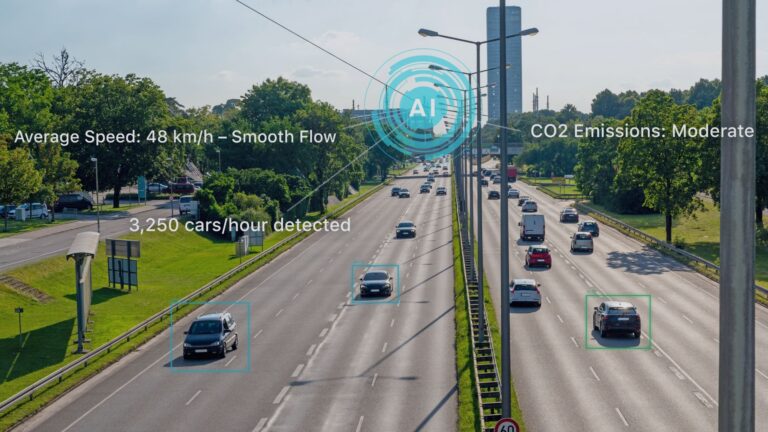

As Massachusetts moves toward authorizing automated traffic enforcement (ATE) for the first time in the Commonwealth’s history, municipal leaders and state legislators are navigating complex questions about implementation, privacy protections, equity considerations, and proven safety outcomes. At Elovate, we’ve been closely following Massachusetts’s legislative process, and we recognize this moment as more than a market opportunity. It’s a chance to support communities in making informed decisions about proven safety technology.
The Current Legislative Landscape
Senate Bill 2344, addressing both red light and speed camera enforcement, advanced favorably through the Transportation Committee in July 2025 and currently sits in the Senate Ways and Means Committee. Simultaneously, the Governor’s FY26 budget proposal includes provisions for statewide speed camera authorization. School bus stop-arm cameras have already been legalized through legislation passed in December 2024, demonstrating legislative comfort with automated enforcement technology and establishing important precedent.
This legislative framework reflects years of advocacy from the Massachusetts Vision Zero Coalition, Safe Roads Alliance, Transportation for Massachusetts, and other safety organizations. The persistence of these efforts, combined with growing urgency around traffic safety – Massachusetts experienced at least 78 pedestrian fatalities in 2024, with 66.7% occurring in environmental justice communities – has created meaningful momentum for change.
Why Guardrails Matter: Massachusetts Gets It Right
What distinguishes Massachusetts’s approach is the careful attention to guardrails designed to prevent the concerns that have derailed ATE programs in other states. The proposed legislation includes strict privacy protections: rear-facing cameras only, prohibiting front-of-vehicle photography to prevent driver identification. Data retention is limited, with non-violation images destroyed within 48 hours. Revenue structures explicitly discourage municipal “gotcha” programs – fines are carefully capped, first violations receive warnings only, and net revenues flow to the state Transportation Trust Fund rather than municipal general funds.
These provisions aren’t accidents. They reflect lessons learned from jurisdictions where revenue-focused implementation created public backlash. Massachusetts legislators understand that sustainable ATE programs prioritize behavior change over revenue generation. This philosophy aligns with Vision Zero principles: traffic deaths are preventable, and enforcement tools should support safety outcomes, not budget objectives.
The requirement for municipalities to assess social and racial equity impacts before deployment addresses another critical concern. Automated enforcement, when implemented thoughtfully, can actually reduce racial disparities in traffic stops by eliminating discretionary officer-initiated stops. But this benefit only materializes when deployment decisions are data-driven, transparent, and focused on high-injury networks rather than maximizing citations.
MassDOT’s Regulatory Development Role
Once legislation passes, with a target effective date of July 1, 2026, MassDOT has six months to promulgate regulations establishing requirements, standards, and processes for municipal participation. This regulatory framework will determine technical specifications, approval processes for municipal plans, reporting requirements, and privacy protections implementation.
Massachusetts isn’t starting from scratch. MassDOT’s recent work on the Special Commission on Micromobility, which just filed its final report with the Legislature in February 2026, demonstrates the Department’s methodical approach to emerging mobility technologies. That commission spent a year reviewing data, consulting stakeholders, examining other states’ approaches, and developing 16 recommendations balancing safety with innovation. The same deliberative process will shape ATE implementation regulations.
Municipal leaders should anticipate that MassDOT will require crash data analysis justifying camera locations, community engagement documentation, and equity impact assessments. These aren’t bureaucratic hurdles—they’re essential foundations for programs that maintain public trust and deliver measurable safety improvements.
Learning from North America’s Implementation Patterns
Our research across automated enforcement programs in North America reveals consistent patterns in successful implementations. Programs that succeed start with structured pilots in high-injury locations, demonstrate safety outcomes through transparent reporting, engage communities proactively rather than reactively, and design for behavior change with violation rates declining over time as drivers adjust.
Chicago’s red light camera program demonstrates how enforcement technology can support comprehensive safety strategies when properly implemented. Albuquerque’s speed camera deployment in high-crash corridors has shown measurable crash reduction while maintaining community support through transparent reporting and strict privacy protections. Philadelphia’s deployment on dangerous corridors has been credited with saving lives monthly. These aren’t isolated success stories – they reflect what happens when enforcement technology supports comprehensive Vision Zero strategies with clear safety objectives, data-driven site selection, and accountability measures that maintain public trust.
The phased deployment model we’ve observed works particularly well in opt-in states similar to Massachusetts. Initial authorization leads to early adoption by Vision Zero leaders (Boston, Cambridge, Worcester, Somerville in Massachusetts’s case), followed by structured expansion as municipalities observe operational success and safety validation from early adopters. Mature networks typically develop over 5-7 years, with deployment concentrated on high-injury corridors and school zones rather than ubiquitous saturation.
What Massachusetts Municipalities Should Consider Now
Cities and towns don’t need to wait for legislation to pass before planning. Boston’s Chief of Streets Jascha Franklin-Hodge has been publicly advocating for automated enforcement for over a year, calling dangerous driving an “epidemic” requiring proven safety tools. Worcester adopted its Vision Zero Action Plan in June 2025 and has already identified a Priority Network where 7% of roads account for 56% of severe and fatal crashes. Cambridge filed a home rule petition specifically requesting ATE authority.
These communities are conducting the groundwork that enables rapid deployment once authorization occurs: analyzing crash data to identify high-injury locations, engaging stakeholders about enforcement priorities, assessing equity impacts, and developing community education strategies. Municipalities planning to implement ATE should be thinking now about procurement processes, vendor requirements, privacy protections beyond statutory minimums, and integration with broader traffic safety initiatives.
The Path Forward
Massachusetts stands at an inflection point. The legislative framework is advancing. Vision Zero cities have identified need and are prepared to act. MassDOT will establish thoughtful regulations. What remains is execution: translating legislative authorization into programs that save lives while maintaining public trust.
For municipalities, this means approaching ATE not as a standalone enforcement tool but as one component of comprehensive safety strategies including infrastructure improvements, speed limit reductions, public education, and community engagement. For legislators, it means ensuring regulations enable municipal flexibility while maintaining statewide standards for privacy, equity, and transparency.
The question before Massachusetts isn’t whether automated enforcement works. The evidence from hundreds of cities demonstrates crash reduction and behavior change. The question is whether Massachusetts can implement ATE in ways that reflect the Commonwealth’s values: equity-focused, privacy-protective, safety-driven, and community-accountable.
Based on our experience supporting municipalities across North America, we believe Massachusetts is positioned to get this right. The legislative guardrails are strong. The municipal champions understand that sustainable programs prioritize safety over revenue. And the deliberative process—from legislative hearings to MassDOT regulatory development to municipal planning—creates opportunities for stakeholder input and course correction.
As this process unfolds, understanding the technical, regulatory, and community engagement dimensions of automated enforcement will be critical to successful implementation. Massachusetts decision makers have an opportunity to learn from jurisdictions that have navigated this path, both their successes in crash reduction and their challenges in maintaining public trust. The data, frameworks, and lessons from established programs can inform how the Commonwealth develops its own approach to enforcement technology that reflects local values and priorities.
Elovate is an automated traffic enforcement solutions provider focused on helping communities implement Vision Zero goals through proven safety technology. Learn more about automated enforcement fundamentals and implementation best practices.