California Has New Enforcement Options with SB 720. Is Your Agency Ready?
SB 720 brings back viable red-light programs. Together with AB 289 and AB 645, municipalities can build broader automated enforcement strategies.
Where California Stands
Unlike states still waiting for authorization, California municipalities can act right now. Three legislative tracks shape today’s opportunity and what comes next.
SB 720 — Red-Light Enforcement
Municipalities may opt into automated red-light enforcement under a civil penalty framework. $100 first offense, owner liability via license plate, 80% fine reduction for indigent drivers, revenue restricted to traffic-calming projects.
AB 289 — Work Zone Speed Cameras
Caltrans authorized to deploy speed cameras in highway work zones statewide. California recorded 9,000 work zone crashes in 2021, resulting in 3,000 injuries and 73 deaths. Pilot runs through January 1, 2032.
AB 645 — Speed Camera Pilot
Six cities (LA, SF, Oakland, San Jose, Glendale, Long Beach) plus Malibu authorized for speed enforcement in school zones, high-injury corridors, and street racing areas. LA deploying 125 cameras in 2026.
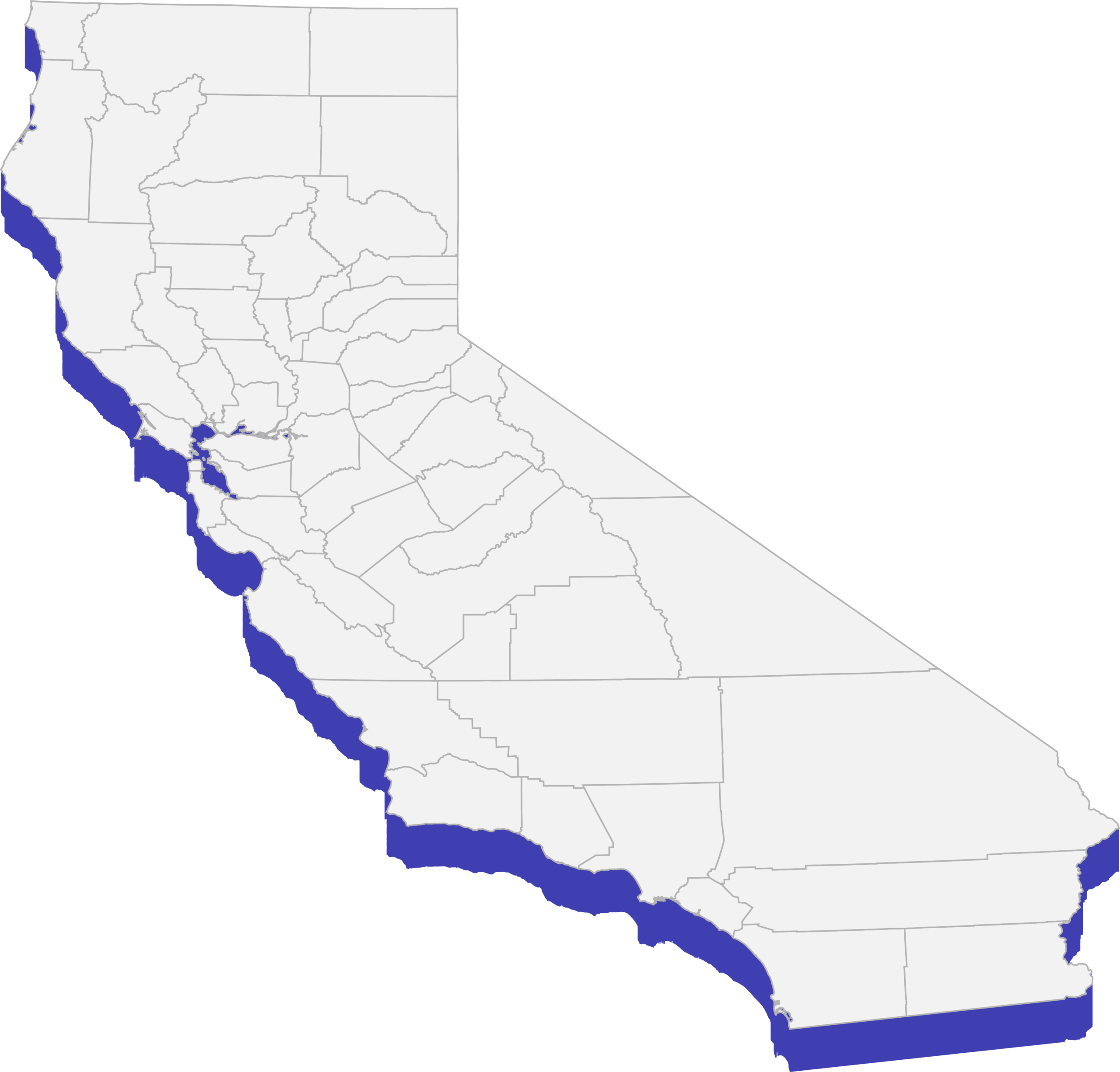
Elovate’s California Experience Since 1997
28 years of continuous operation, with statewide expertise ready for California’s Automated Traffic Enforcement expansion.
Built for California & SB 720 from the start
Everything SB 720 requires is already in production in our other state programs.
No face photo. No identification. No courtroom.
DriveSafe captures high-resolution rear plate images. Citations issue to the registered owner, exactly as SB 720 requires. Eliminates the #1 cause of dismissals under the old law.
Two-layer human review before every citation.
Elovate reviews first, your department signs off second. No automated citations go out without officer approval. Built-in public trust infrastructure for the annual report requirement.
Annual public reports, generated automatically.
SB 720 mandates a public report on violations captured, citations issued, violation types, and dismissal rates. Our platform generates it audit-ready, every year.
Data-driven site selection, defensible.
SB 720 requires crash-data evidence of “heightened safety risk” before camera installation. We provide the intersection analysis and documentation that satisfies the requirement and protects your program legally.
Scaled fines and equity compliance, handled.
80% / 50% income-based reductions and three-year escalating repeat-offense structure are handled inside Elovate’s processing platform. No manual tracking required.
End-to-End Automated Traffic Enforcement (ATE) Solutions for California
SB 720, AB 289, and AB 645 each open a new enforcement category. Elovate operates in all three.
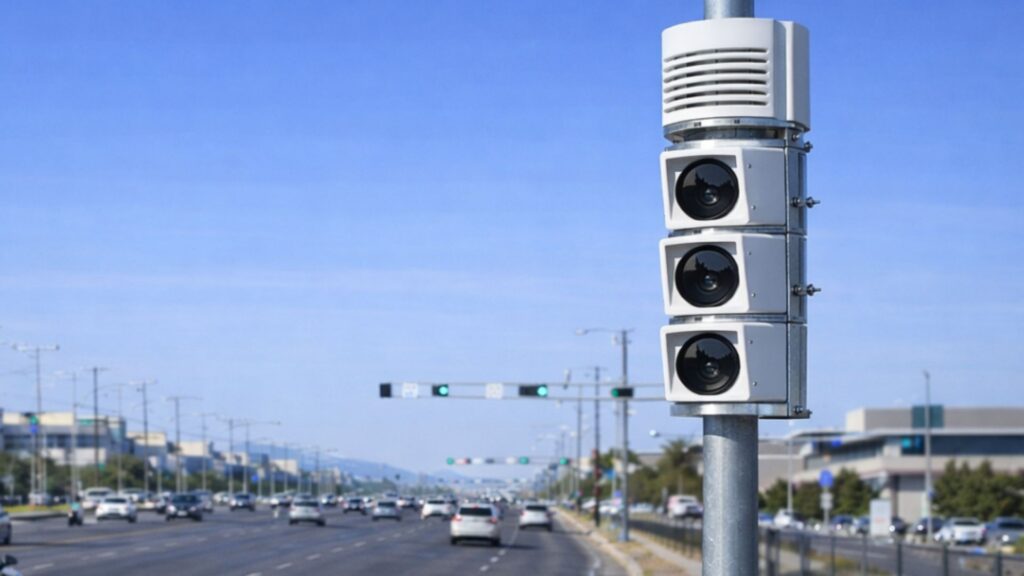
Speed Enforcement
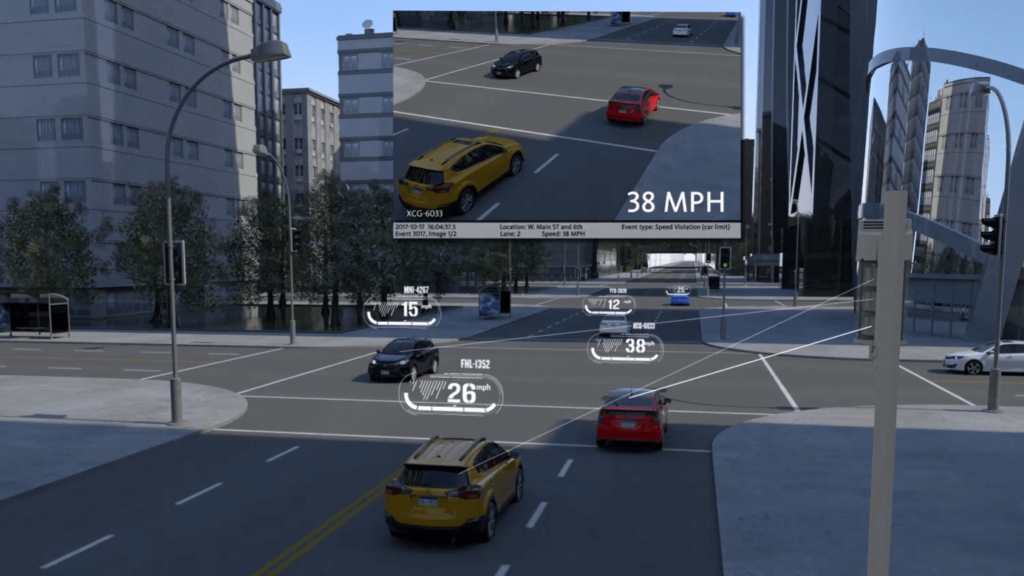
The industry’s most flexible solution, powered by AI-enabled cameras. Proven to reduce fatalities and increase compliance.
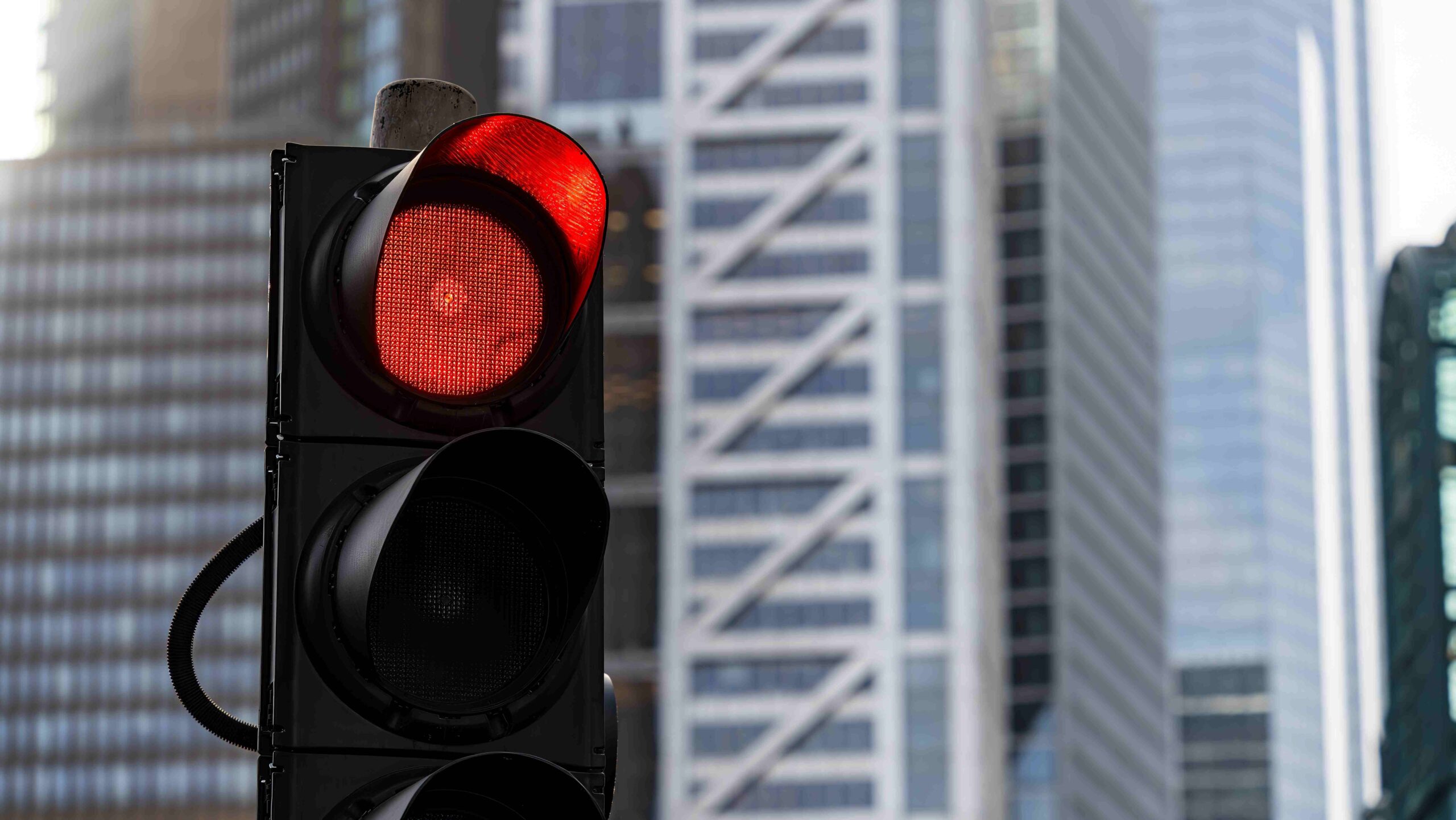
Red-Light Enforcement
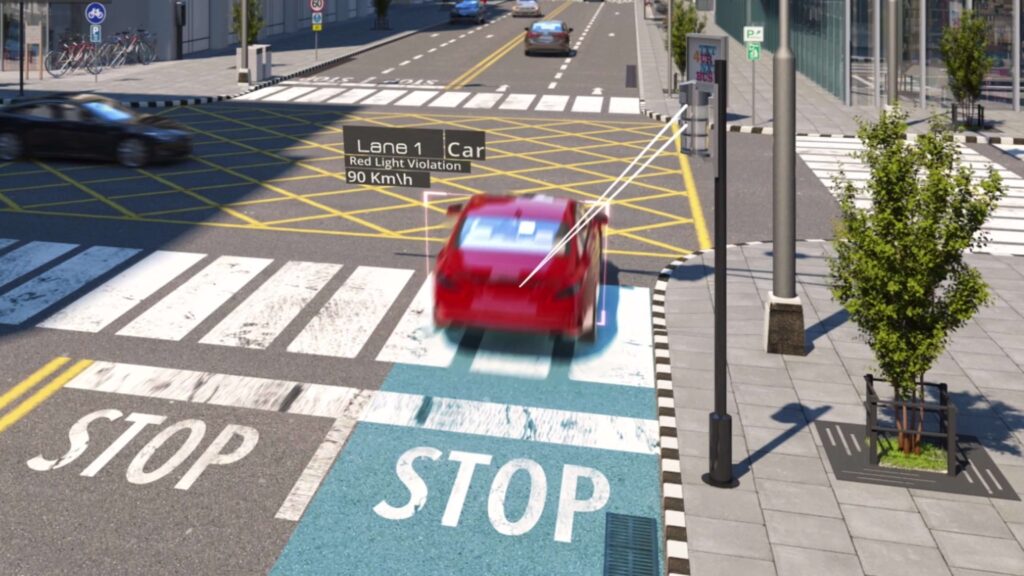
SB 720 is law — any California municipality can now adopt a civil red-light camera program. Elovate already operates two live programs, with proven results reducing intersection crashes.
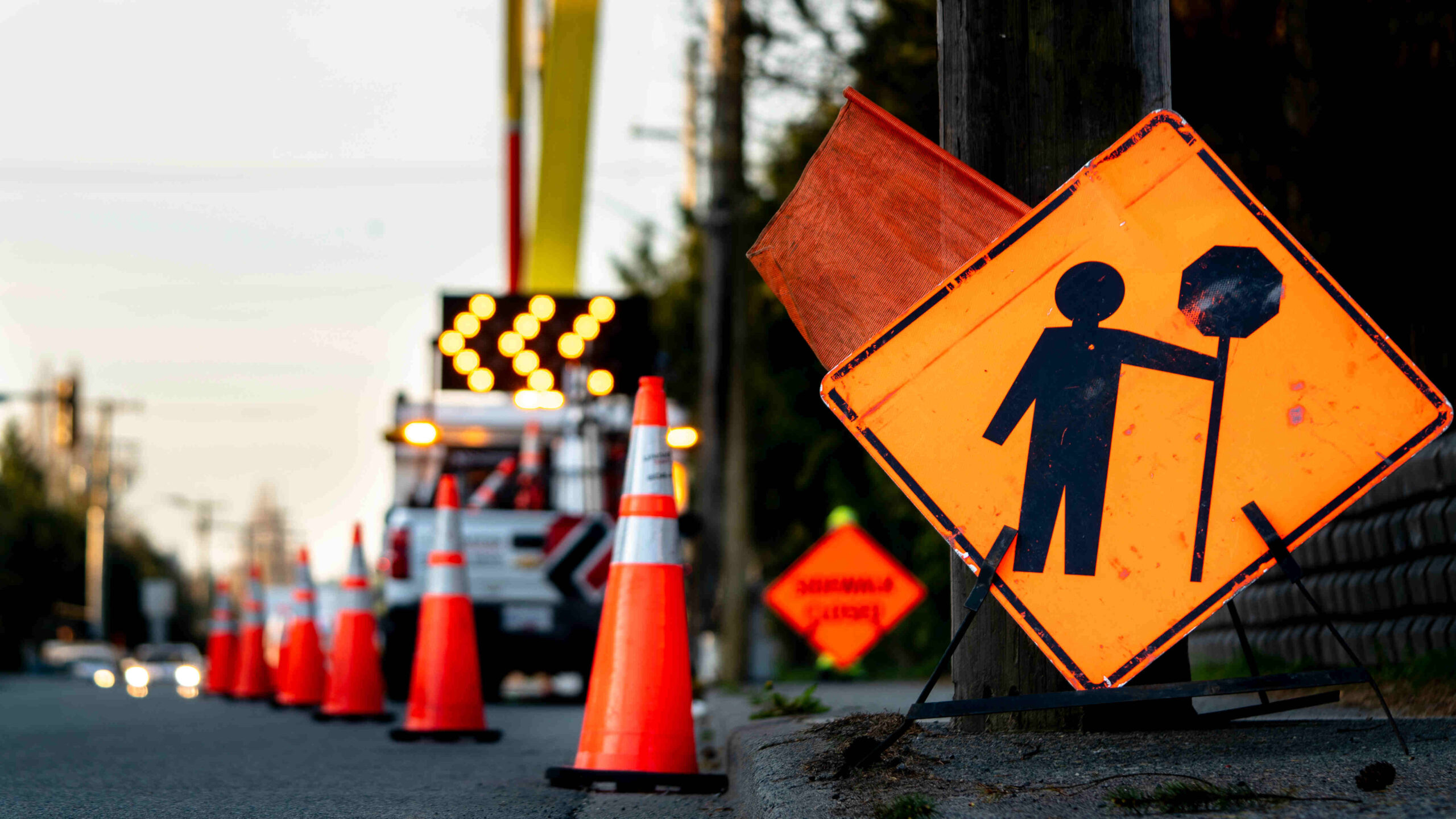
Work Zone Enforcement
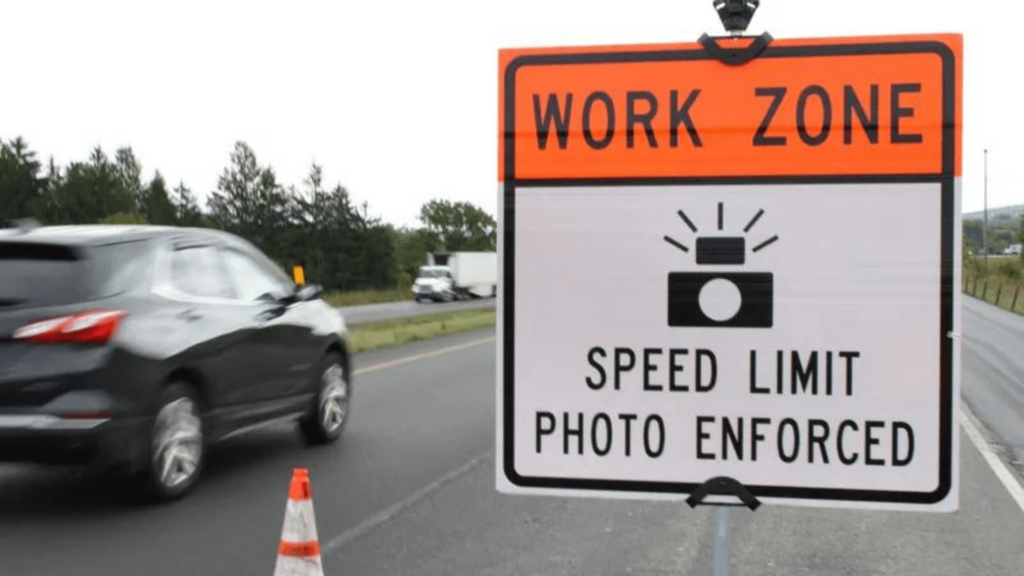
AB 289 authorizes automated speed enforcement in highway work zones starting January 2026. Elovate operates more active statewide work zone programs than any other US vendor.

School Zone Enforcement
Elovate delivers a complete turnkey school zone program. Fairfax County saw a 24% drop in school zone speeding. Howard County reduced collisions by 41%.
The Technology Behind Every Program
The platform powering compliant, scalable ATE programs across the country — now California.
- AI enabled cameras — high-resolution capture with automated violation detection, built for all weather conditions
- Scanning LiDAR & tracking radar — the most accurate speed measurement available; used in every Elovate statewide program
- CiteWeb® violation processing — complete chain of custody, 100% audit trail, and full legal defensibility on every citation.
- 30M+ events processed annually — proven at state scale, not just pilot scale
The Partner California Needs
We’re already operating in California, backed by three decades of helping states build automated enforcement from the ground up.
-
Aligned with California’s constitutional intent
Our model is built around behavior change, not citation volume.
-
Operating in California since 1997
We understand California’s regulatory environment, procurement requirements, and community expectations because we’ve been here for nearly three decades. Not learning on the job. Already doing it.
-
True turnkey — cameras, processing, analytics, public education
One partner, one contract, no gaps and no finger pointing between vendors.
-
Ready for SB 720, AB 289, and AB 645
Every solution is tailored to California’s legislative requirements. Red-light, work zone, and speed enforcement programs built to meet each law’s specific provisions from day one.

Ready to start the conversation before the RFP drops?
Pre-RFP vendor conversations are legal and standard practice. Experienced municipalities always start early.