
Automated Enforcement That Supports Officers, Not Replaces Them
See how automated enforcement helps officers reduce manual workload, expand coverage, and capture defensible, court-ready evidence.


Automated Traffic Enforcement (ATE) Gives Your Stretched Team Backup
Every department is dealing with the same reality: more corridors to monitor, fewer officers available, and budgets that aren’t keeping pace. Speed enforcement still matters, but a single officer can only be in one place at a time.
Automated traffic enforcement is not a replacement for officers. It is another tool in their toolkit, like body cameras and license plate readers. It handles repetitive, high-volume speed and red-light enforcement, so officers can focus on the work only a trained officer can do.
How ATE Benefits Your Police Department
Reduce workload, improve safety, and strengthen enforcement
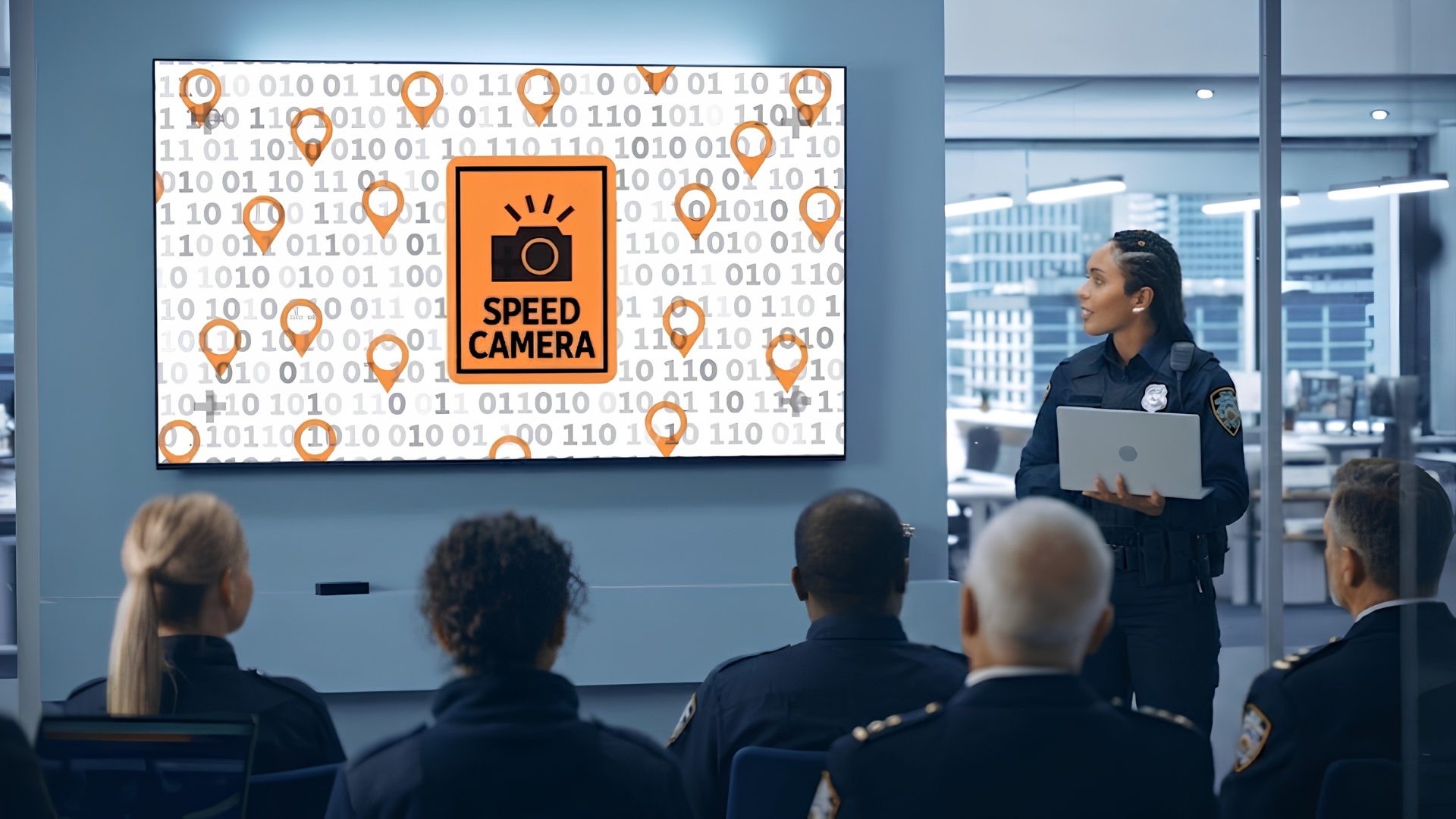
Building Internal Support for Your ATE Program
Successful ATE programs start with internal alignment. Departments find the most success when officers understand how the system supports their work, not replaces it.
-
Protects Officer Time and Safety
Automated enforcement removes routine traffic enforcement from the roadside, reducing exposure to high risk stops and freeing officers for investigations and community policing.
-
Keeps Your Department in Control
Officers retain oversight where required, and your agency controls program scope, deployment locations, and enforcement policy.
-
Strengthens Enforcement Outcomes
High quality images, GPS timestamps, and full chain of custody improve evidentiary consistency and reduce time spent on routine enforcement tasks.
Download the factsheet
From Hesitancy to ChampionElovate End to End ATE Solutions
From violation processing and administrative workflows to court system integration, Elovate manages the full program lifecycle so your department doesn’t absorb the workload.
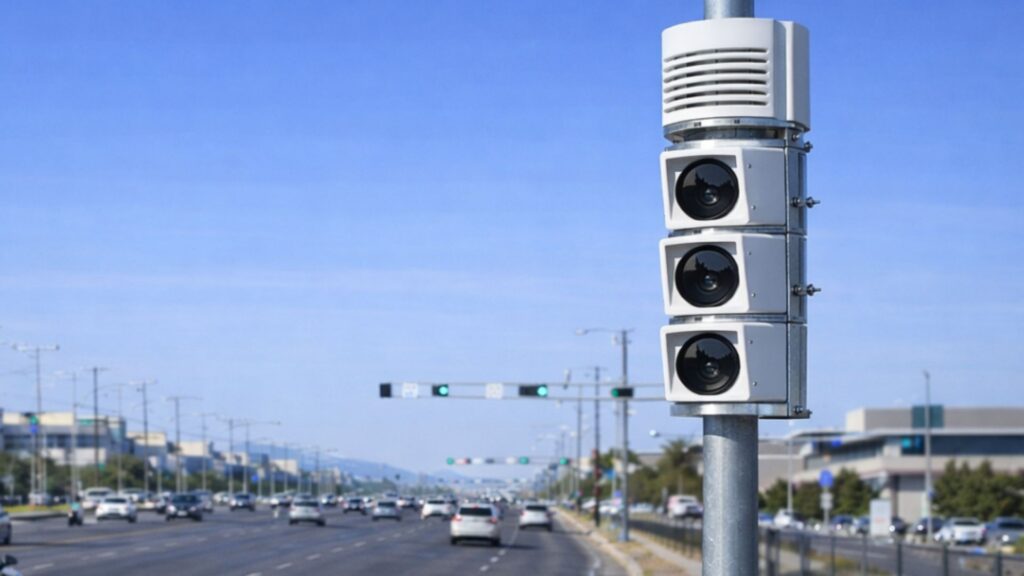
Speed Enforcement
AI enabled cameras proven to reduce fatalities and increase compliance. The industry’s most flexible platform.
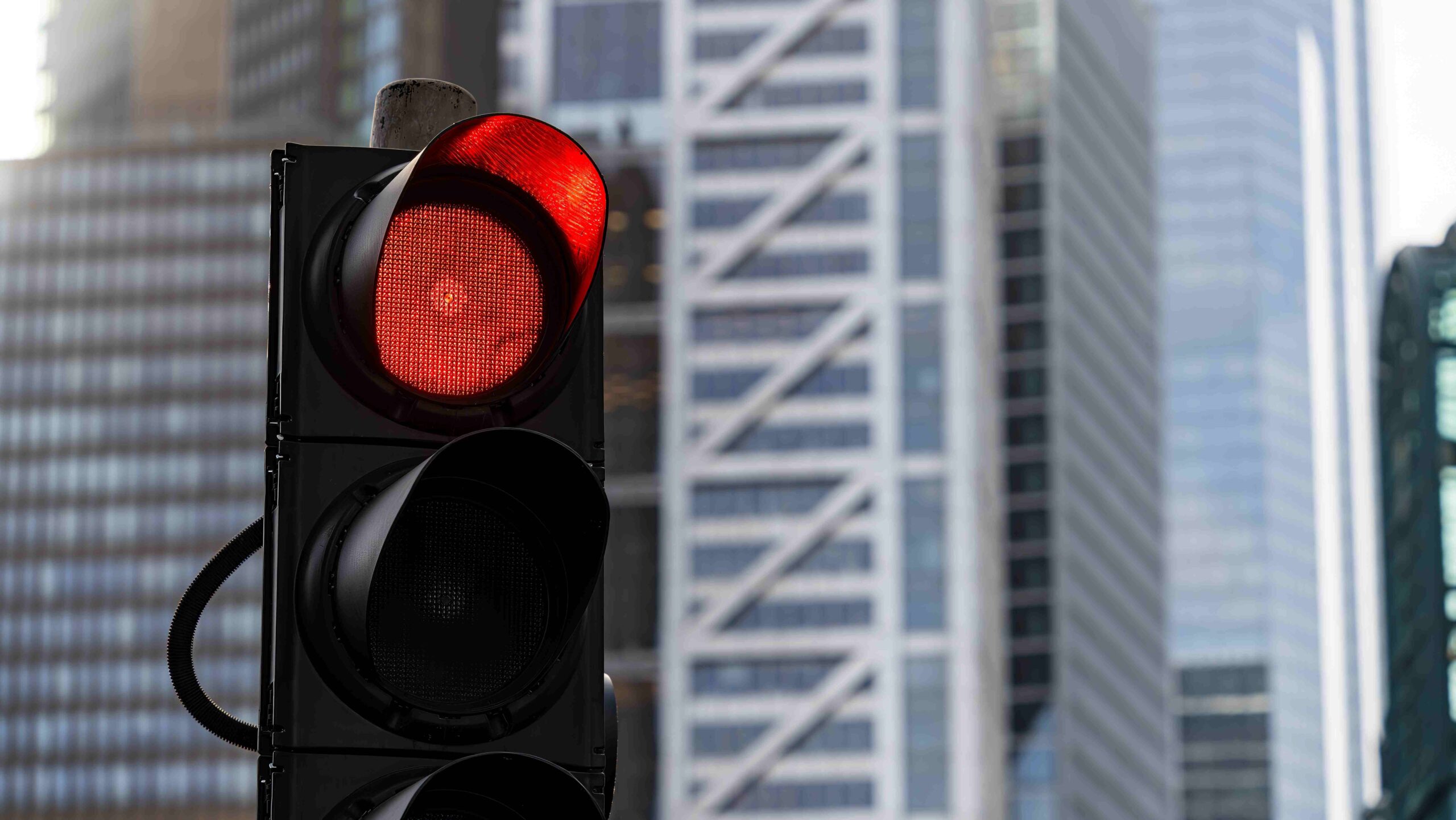
Red Light Enforcement
Red-light running causes 28% of deaths at signalized intersections — IIHS research shows cameras cut the fatal red-light-running crash rate in large cities by 21%.
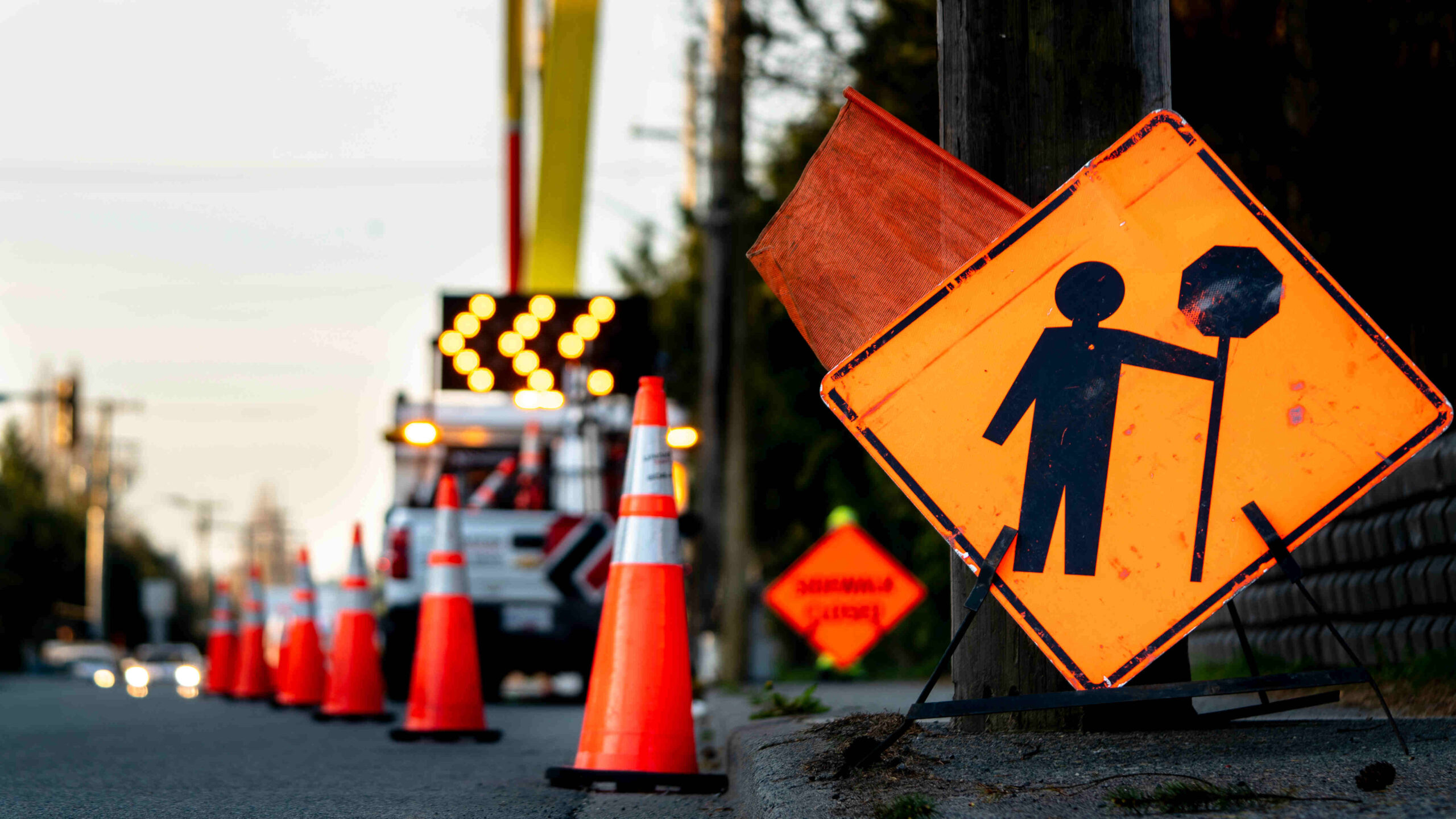
Work Zone Enforcement
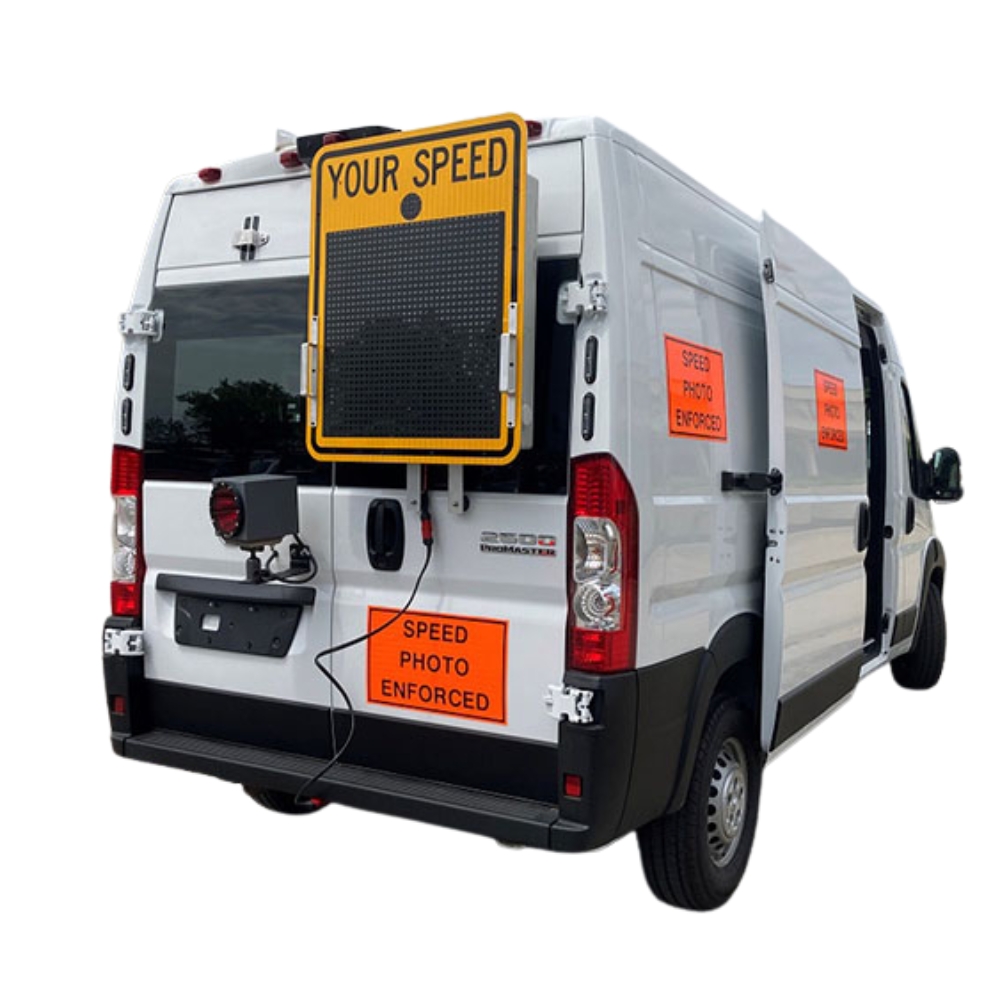
Mobile units protect road workers in active construction zones. Elovate operates more statewide work zone programs than any other U.S. vendor.

School Zone Enforcement
Elovate delivers a complete turnkey school zone program. Fairfax County saw a 24% drop in school zone speeding. Howard County reduced collisions by 41%.
Reliable in the Field. Defensible in Court.
A single enforcement platform designed to support officers on the road and deliver evidence that stands up to legal scrutiny.
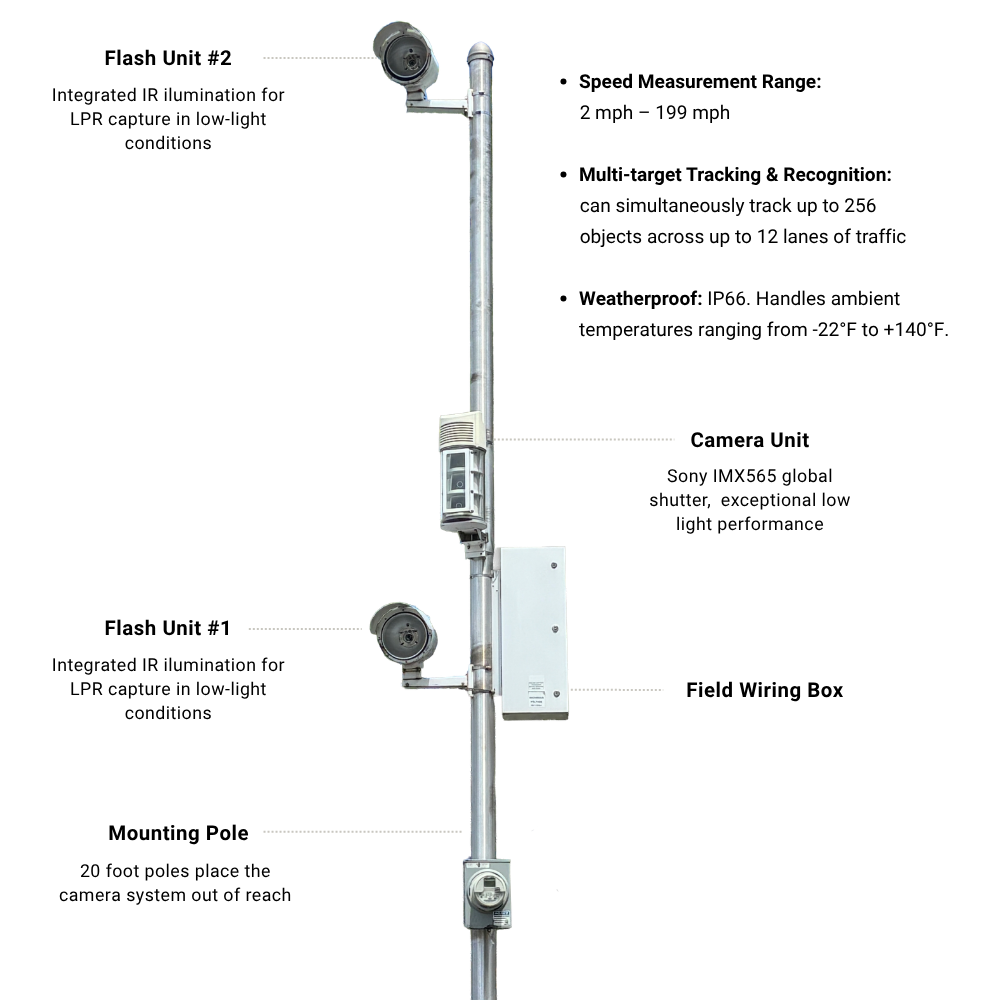
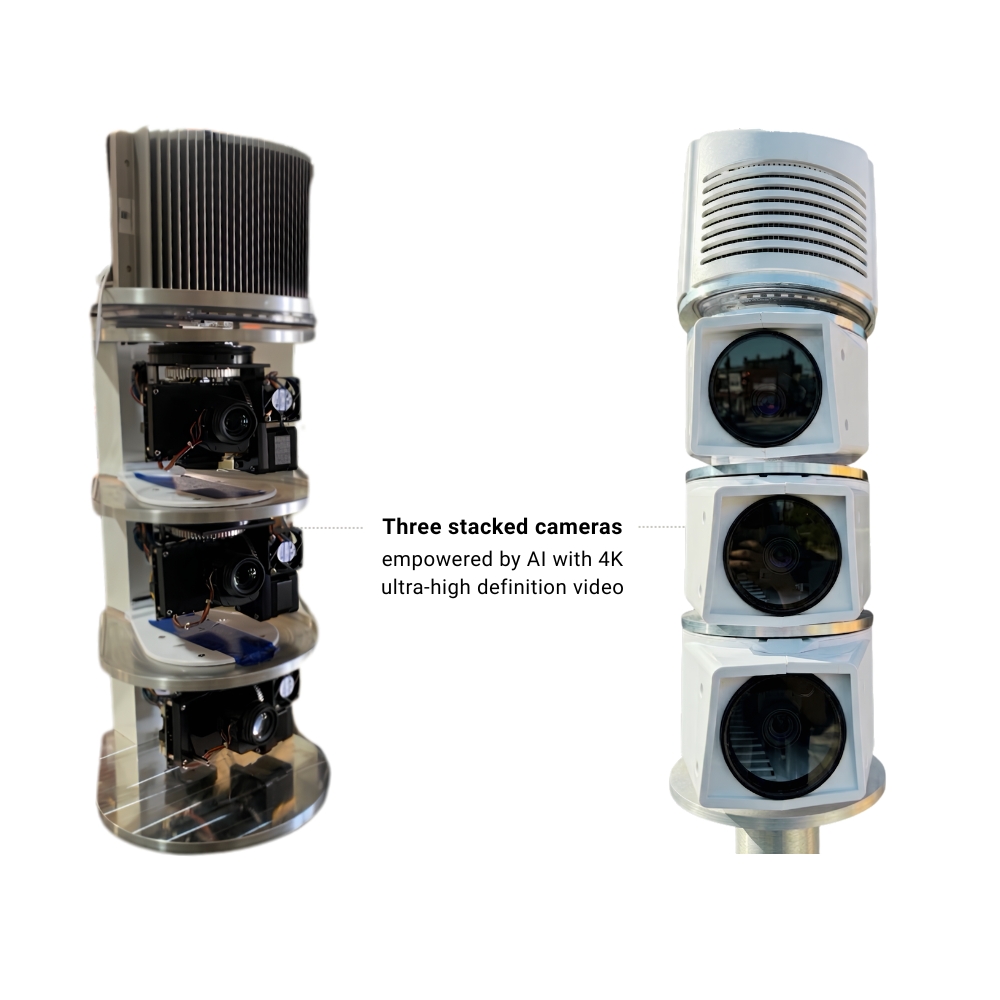
- All in one sensing system combining dual HD cameras, AI detection, LiDAR, and radar for clear, accurate capture at any speed, in all lighting and weather conditions
- Multi lane, multi vehicle enforcement across vehicle classes without requiring additional officer presence
- Flexible deployment options (fixed, pole mounted, or trailer based) with rapid setup and solar power capability
- Non invasive installation with no in road sensors, avoiding road cuts and lane closures
- Precision imaging with IR flash for reliable license plate capture in low light conditions
- End to end, court defensible workflow with encrypted evidence, full chain of custody, audit trail, and automated violation processing via CiteWeb®
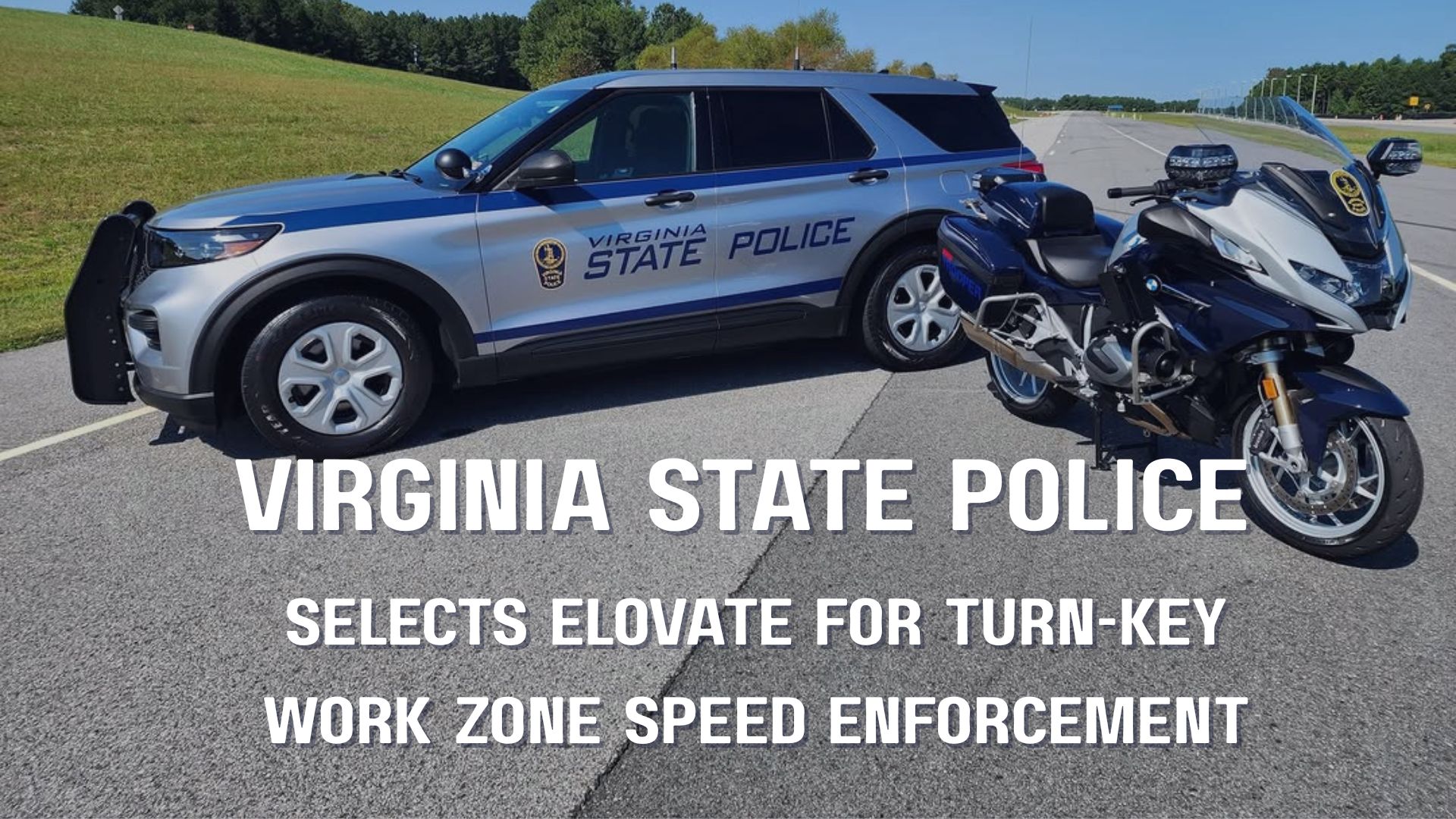
Elovate launches work zone speed enforcement program with Virginia State Police
Virginia State Police is now using Elovate's automated speed enforcement to protect workers and motorists in highway work zones across the state.