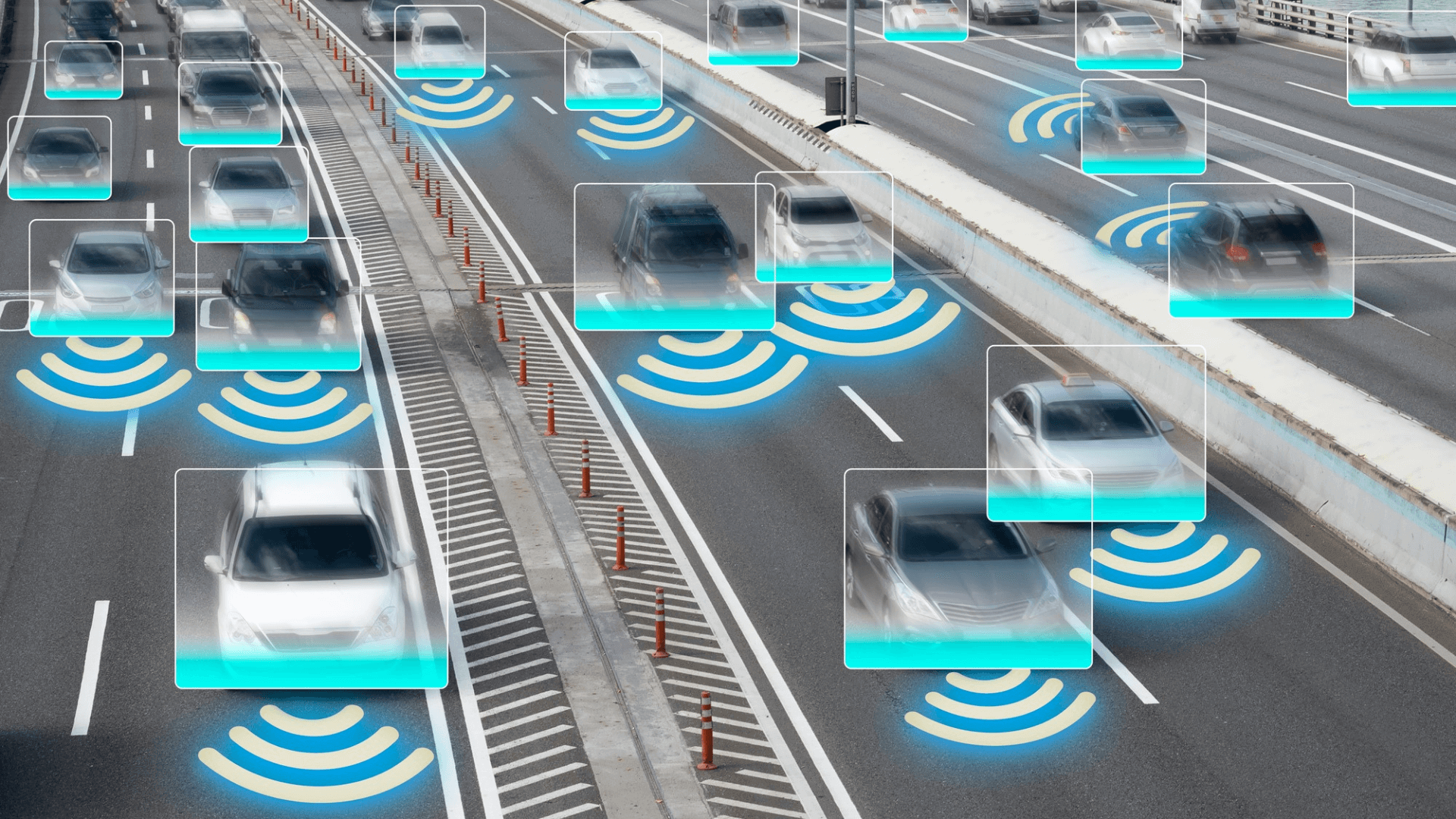
Automated Enforcement
for Public Works Leaders
A data-driven enforcement solution designed to help transportation leaders reduce crashes at high-risk locations.


Strengthening Road Safety Beyond Engineering Measures
Engineering countermeasures such as signal retiming, road redesign, and signage play an important role in reducing crashes. However, at high-risk locations, these solutions often take years to fund, design, and implement, while speeding and violations continue.
Automated Traffic Enforcement helps agencies act immediately. Deployed in weeks, it reduces speeds and violations while generating before and after data to support grant applications, Vision Zero reporting, and council decisions.
See How It WorksHow ATE Fits Into Your Safety Strategy
Measurable results that support your safety plans, strengthen grant applications, and improve public reporting.
Elovate End to End ATE Solutions
Elovate manages the full program lifecycle from site analysis and equipment deployment to violation processing, court integration, and public reporting.
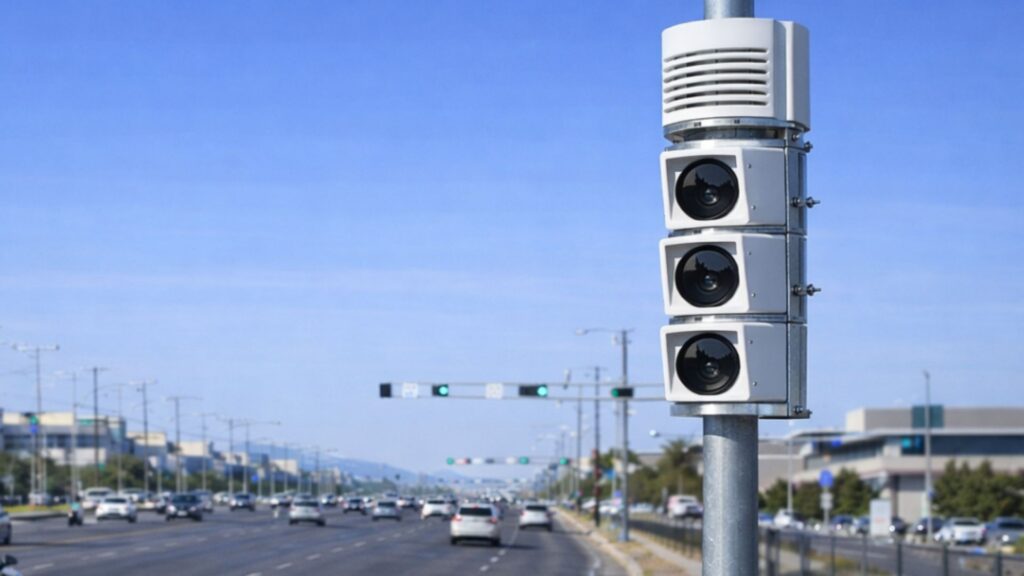
Speed Enforcement
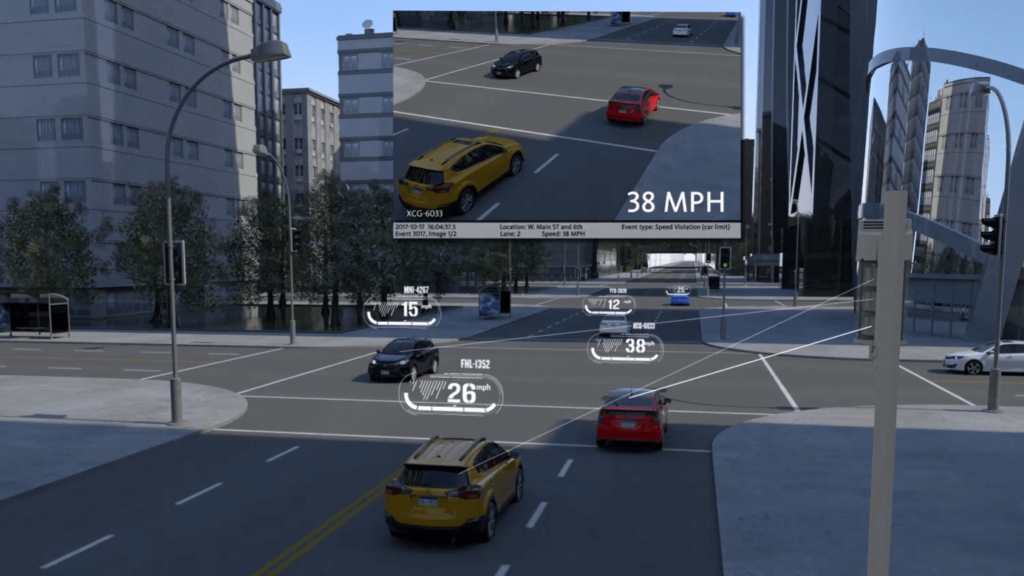
AI enabled cameras proven to reduce fatalities and increase compliance. Deployable at your highest risk corridors with documented before and after results.
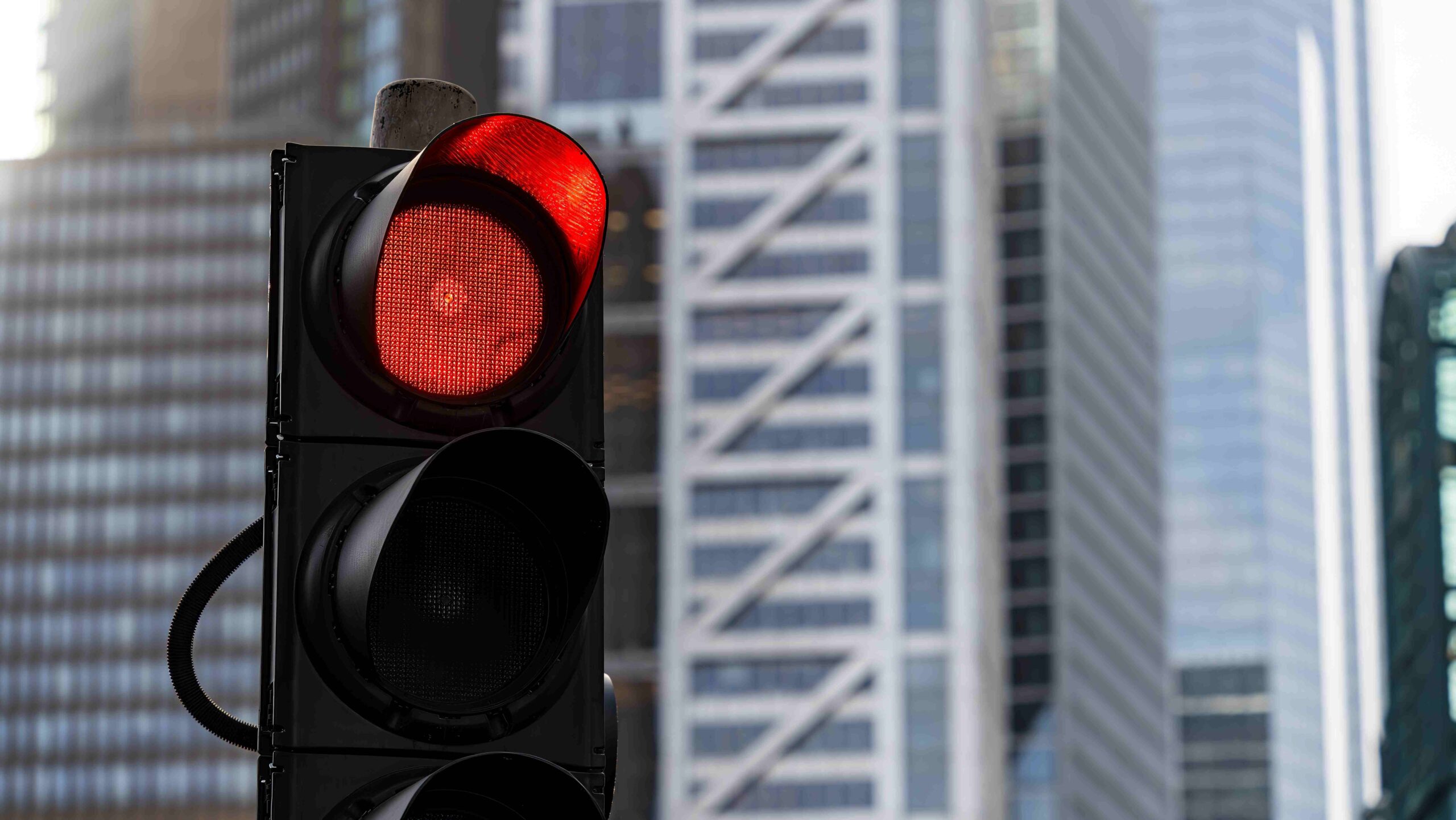
Red Light Enforcement
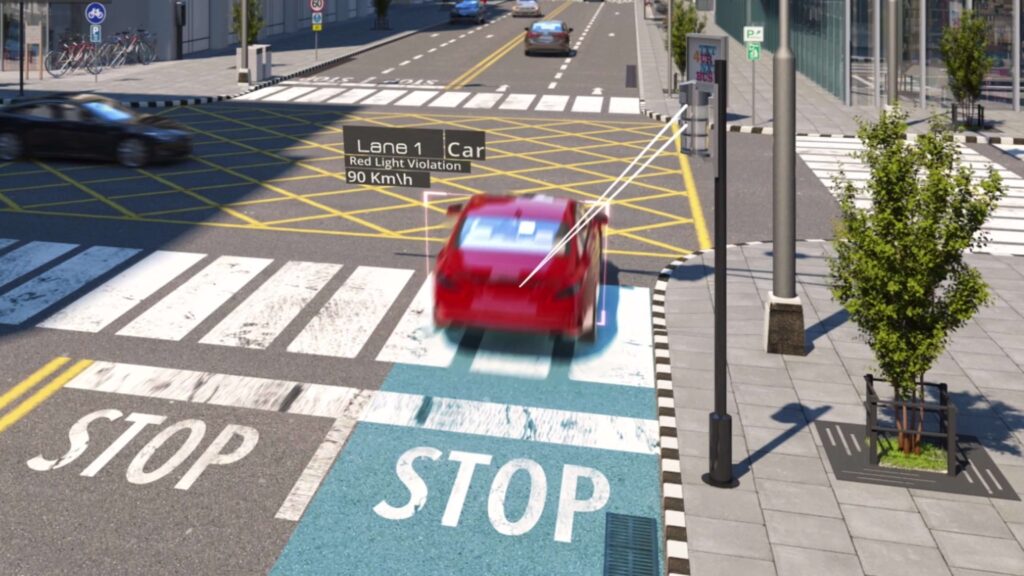
Reduce fatal intersection crashes by up to 21% (IIHS). Multi angle video and still imaging with data that integrates into your intersection safety analysis.
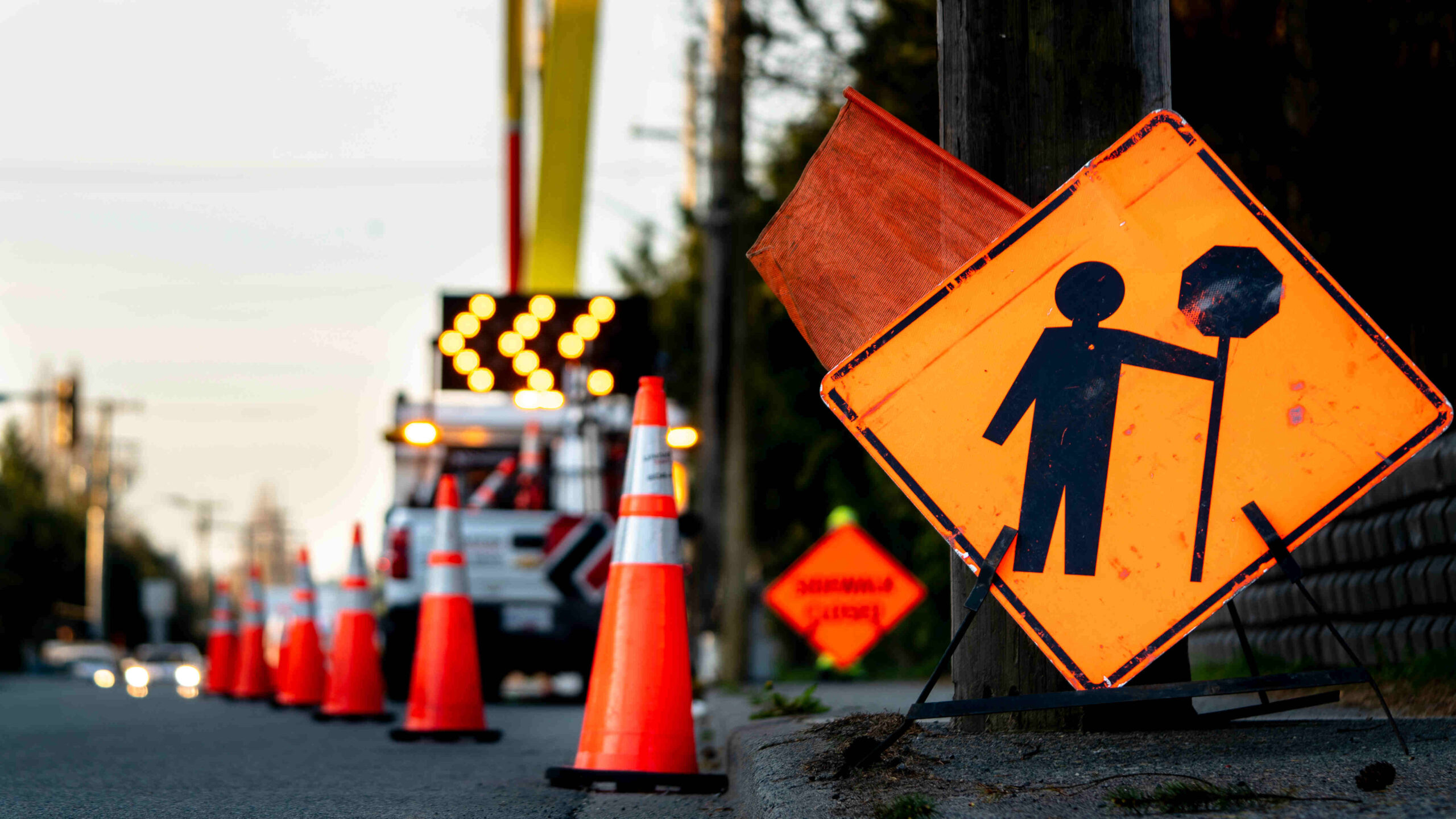
Work Zone Enforcement
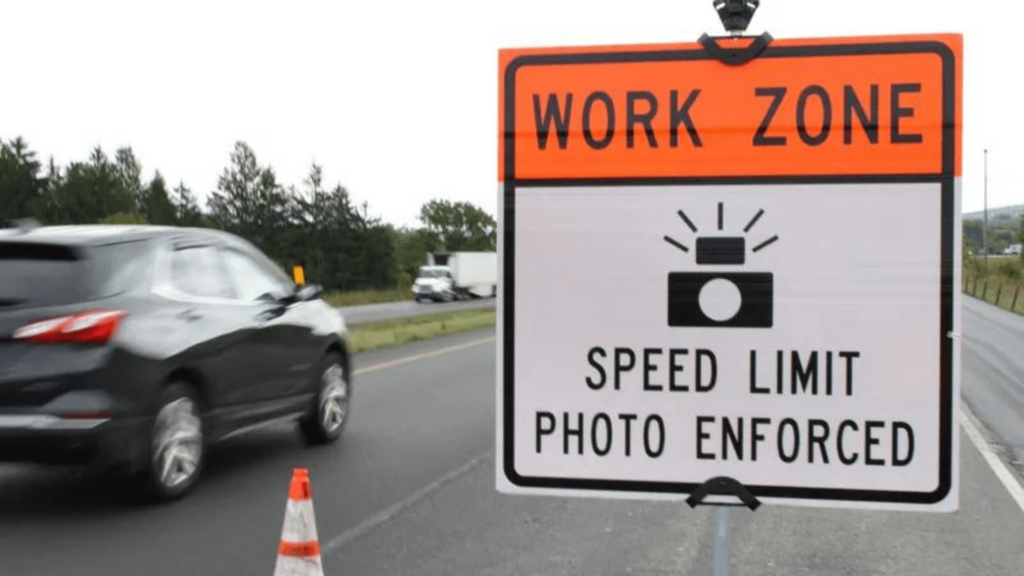
Mobile units protect road workers in active construction zones. Elovate operates more statewide work zone programs than any other U.S. vendor.

School Zone Enforcement
Elovate delivers a complete turnkey school zone program. Fairfax County saw a 24% drop in school zone speeding. Howard County reduced collisions by 41%.
Built for Operational Reliability
and Legal Defensibility
A single enforcement platform designed to perform consistently in the field and produce data you can confidently use in planning, reporting, and public accountability.
- All weather enforcement capture with high resolution imaging and automated violation detection across varying environments and traffic scenarios.
- Precision speed measurement using integrated radar and LiDAR for accurate, defensible readings across fixed and mobile deployments.
- Reliable evidence for legal and administrative use with every capture time stamped, location verified, and securely stored.
- Operational continuity with minimal intervention through automated workflows that reduce manual review and free up your team.
A Proven Partner for Safety Leaders
Elovate has partnered with state DOTs and municipalities for over three decades, with active programs across multiple states.
- Safety First Fee Model with flat fee pricing that means your city is never incentivized to issue more tickets, so the program succeeds when speeding drops, not when revenue rises.
- Data That Feeds Your Safety Plans with speed trends, violation volumes, and crash outcome data that export directly into your safety studies, HSIP applications, and Vision Zero dashboards.
- Minimal Infrastructure Disruption with solutions designed to use existing poles and power where possible, minimizing construction, lane closures, and utility coordination.
- Camera Relocation as Patterns Change with support for mobile units, phased expansion, and configuration adjustments so your program adapts with your network.