Safer Streets.
Responsible Governance.
A proven approach to reducing dangerous driving and serious crashes while maintaining transparency, accountability, and public trust.

Why This Matters Now
Automated enforcement is now permitted in most states for high-risk areas where serious crashes continue to occur. The question is no longer if, but when councils choose to act.
Early adopters define the rules, safeguards, and public messaging from the start. Late adopters often respond after public pressure has already set the agenda.
Built to Survive the Public Meeting
From placement based on crash data to public dashboards and full local control, every safeguard a council needs to stand behind the program is built in.
The incentive is safety
Placement and compensation are structured around safety outcomes, not citation volume.
Placement you can defend
Sites are chosen from crash history and speed data, with published criteria and equity review.
Transparency by default
Signage, grace periods, and public dashboards keep the program open to residents and the press.
You stay in control
Pilot, phase, relocate, or end the program based on results. Nothing locks you in.
Elovate End to End ATE Solutions
Elovate manages the full program lifecycle, from site analysis and equipment deployment to violation processing, court integration, and public reporting.
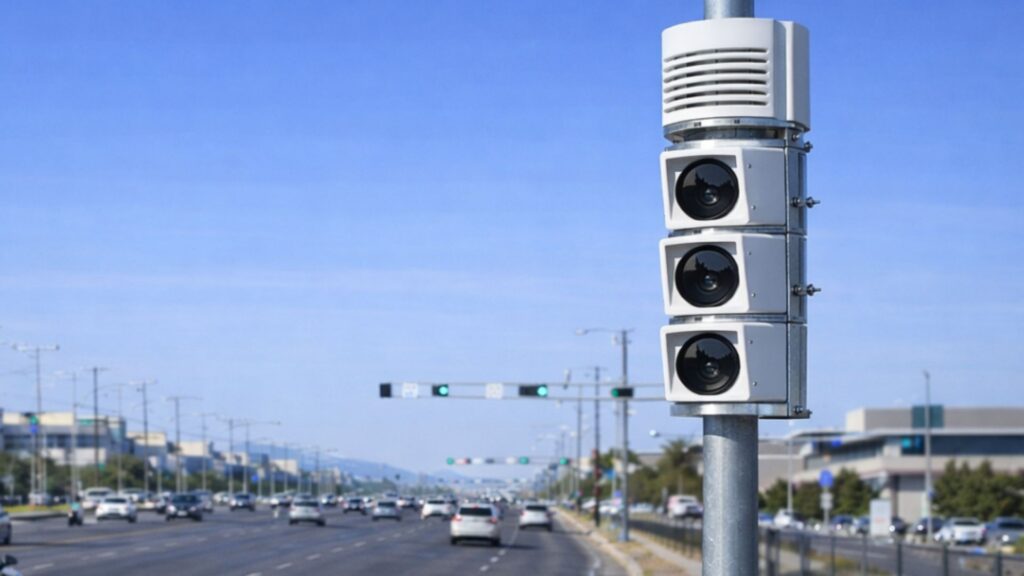
Speed Enforcement
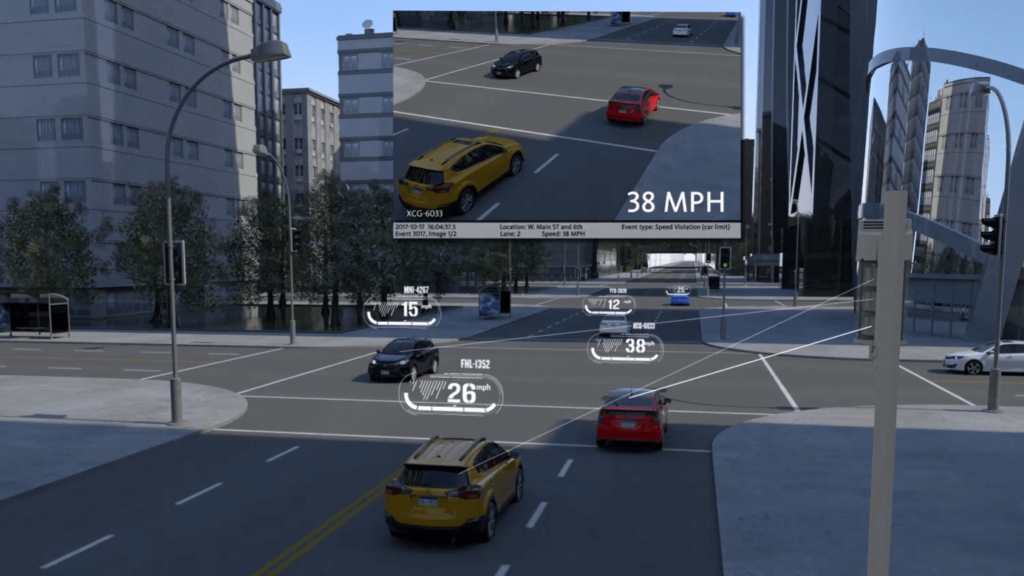
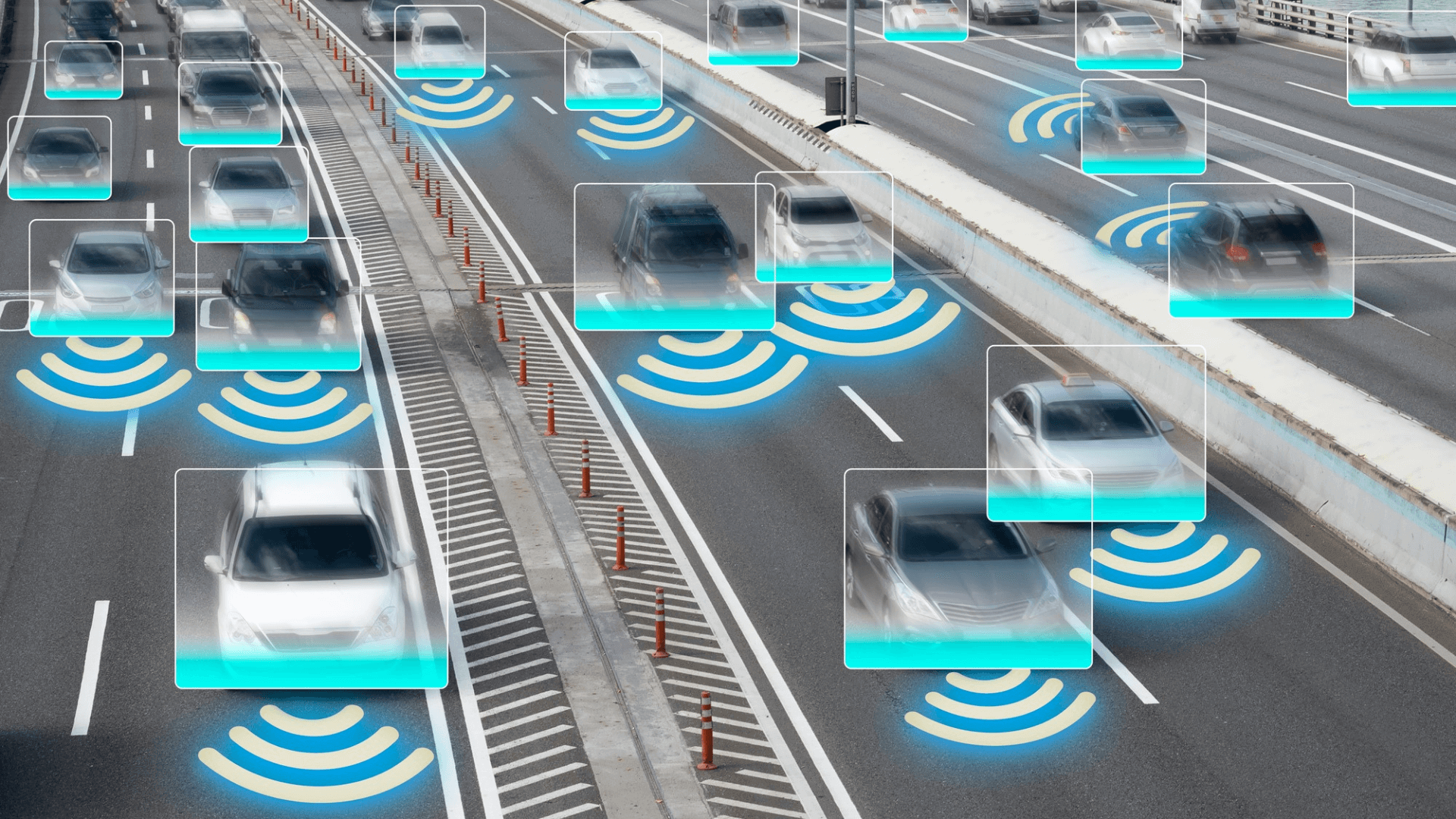
AI enabled cameras proven to reduce fatalities and increase compliance, on the industry’s most flexible platform.
Explore →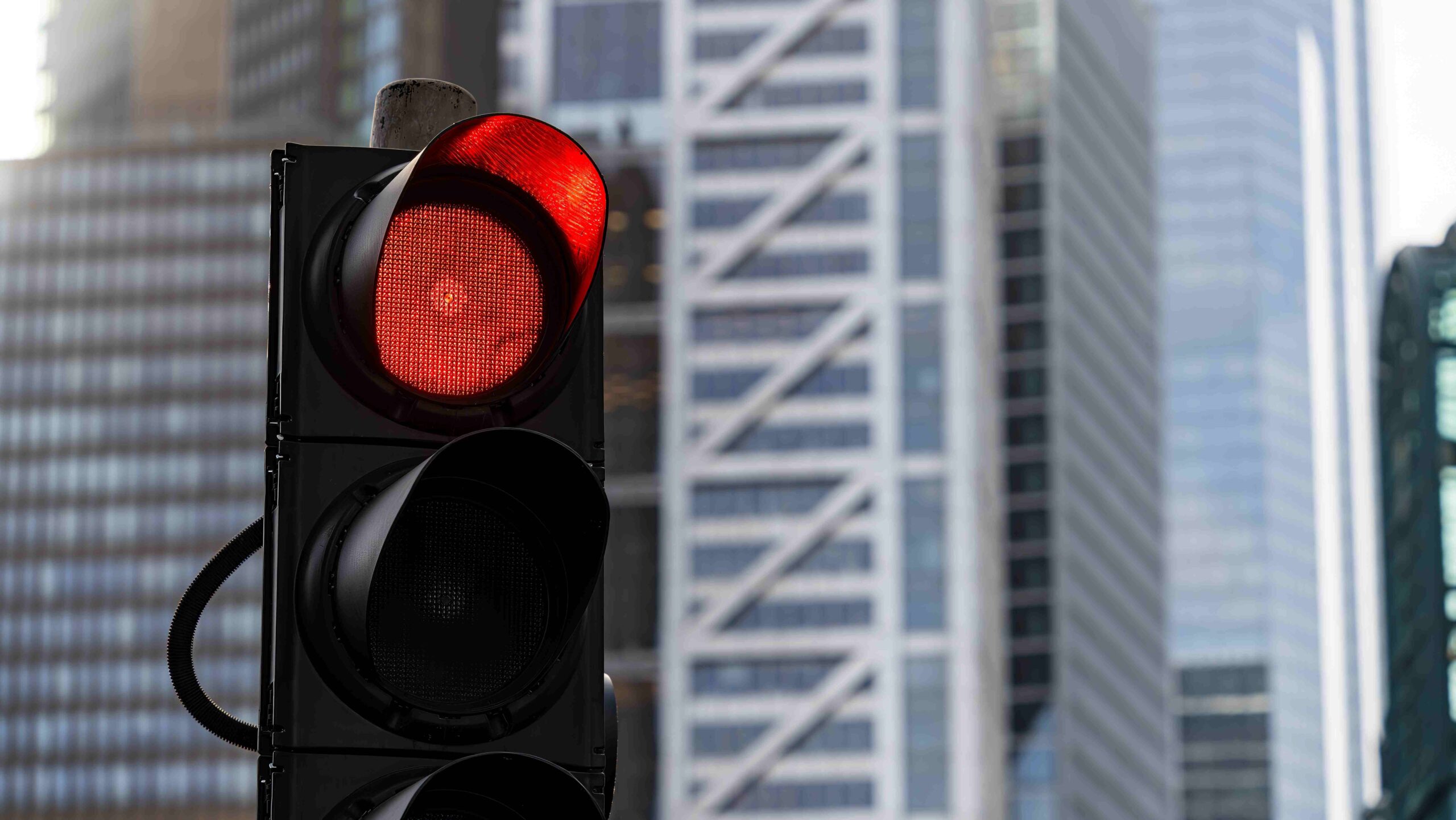
Red Light Enforcement
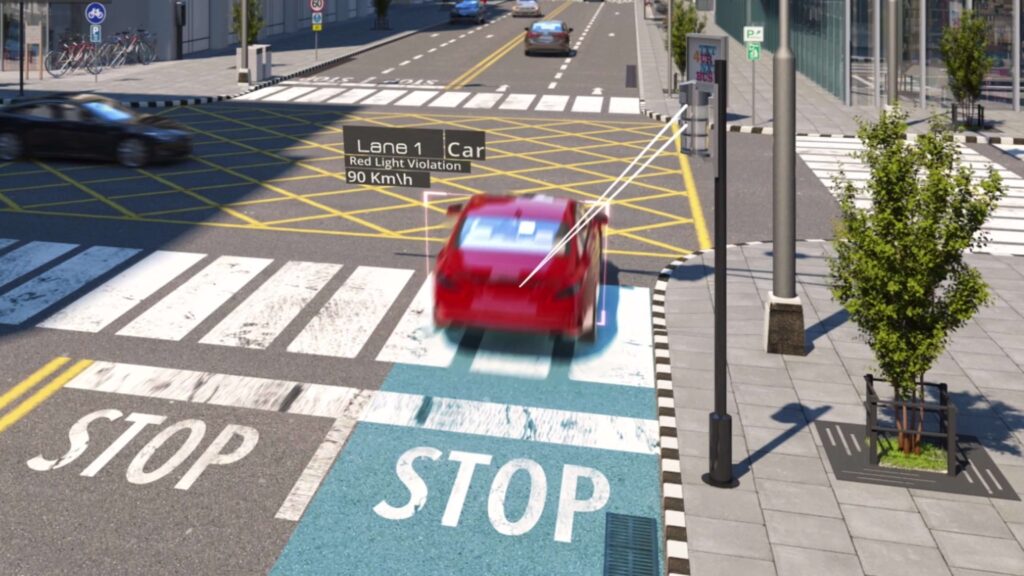
Red light running causes 28% of deaths at signalized intersections. Cameras cut the fatal crash rate in large cities by 21%.
Explore →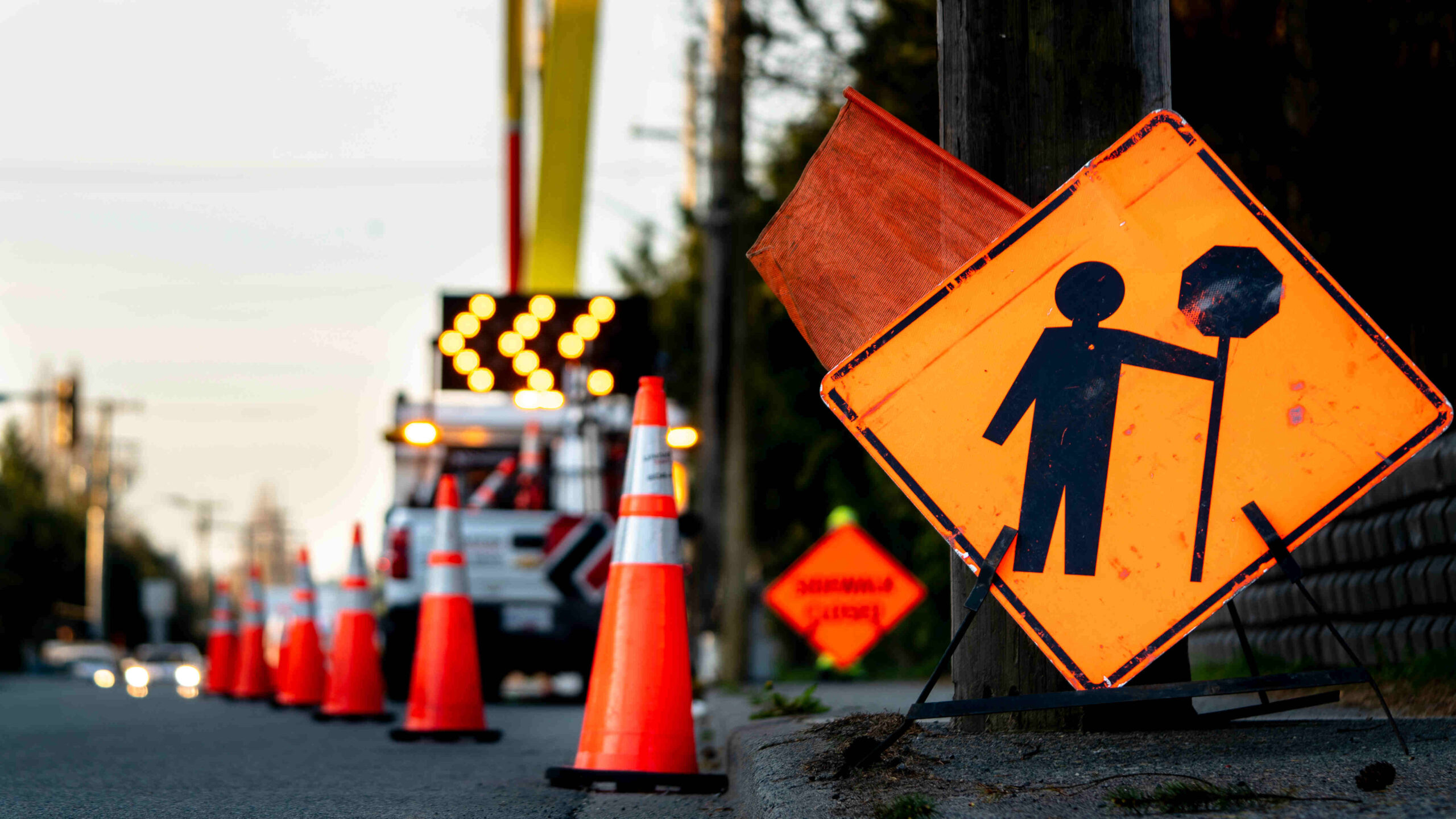
Work Zone Enforcement
Mobile units protect road workers in active construction zones. Elovate runs more statewide work zone programs than any other U.S. vendor.
Explore →
School Zone Enforcement
A complete turnkey program. Fairfax County saw a 24% drop in school zone speeding. Howard County reduced collisions by 41%.
Explore →Programs Governments Have Trusted for Years
For over 30 years, Elovate has been a trusted partner of municipalities and state agencies to make their roads safer through the implementation of innovative, data-driven automated traffic enforcement solutions.

Illinois DOT: A Decade of Safer Work Zones
- Work zone speeders dropped from 30% to 40% down to just 6% to 8%
- Work zone fatalities fell about 32%, and worker fatalities about 60%
- Program funds reinvested in safety, not the general fund
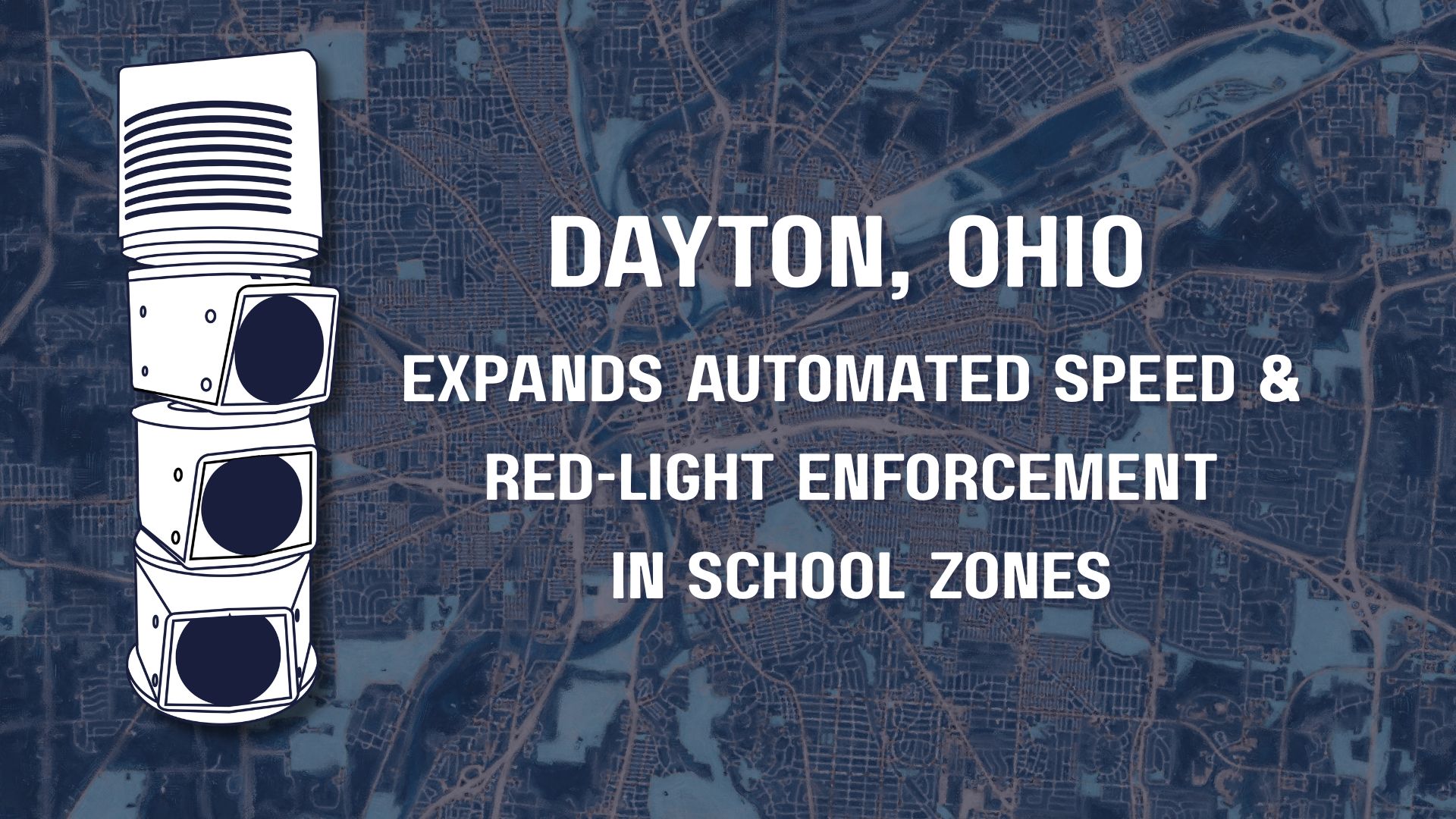
Dayton, OH: Protecting Students Citywide
- 68 speed systems and 17 red light systems deployed citywide
- A five year contract with an optional five year extension
- Enforces the 20 mph school zone limit during school hours

Albuquerque, NM: Placed Where Crashes Happen
- Fatal crashes down about 20%, as reported by the city
- Cameras sited using the city’s High Fatality and Injury Network map
- DriveSafe with multi-lane radar and 4K evidence capture