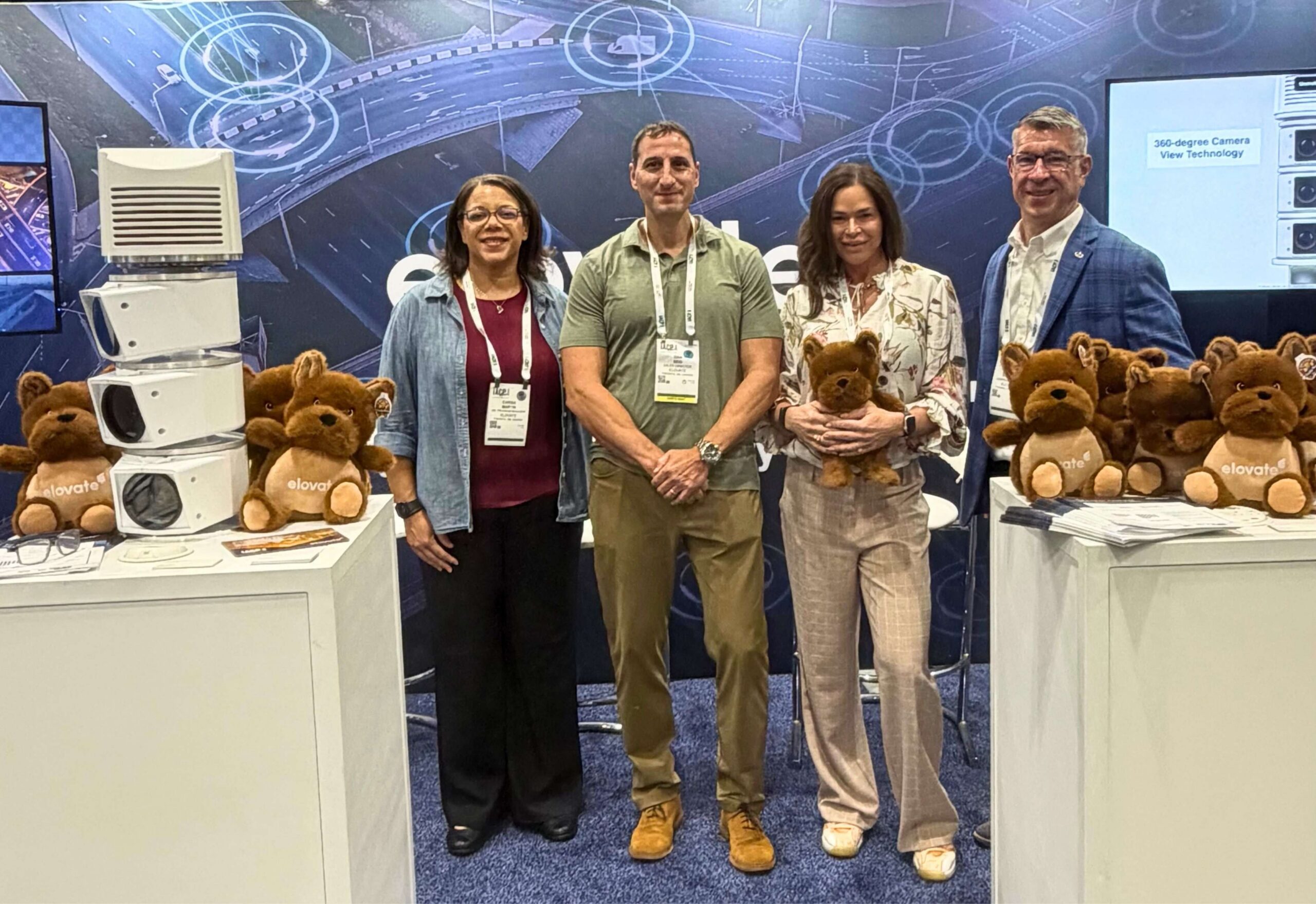
IACP 2026 brought more than 16,000 public safety professionals and over 600 exhibitors to the Orange County Convention Center in Orlando from October 24 to 27. For our team, it was four days of steady conversation about automated traffic enforcement (ATE), and the questions we heard say a lot about where traffic safety is heading.
Here is what police leaders asked us, what we took home from Orlando, and why we are already looking forward to next year.
Automated Traffic Enforcement Drew a Global Crowd at IACP 2026
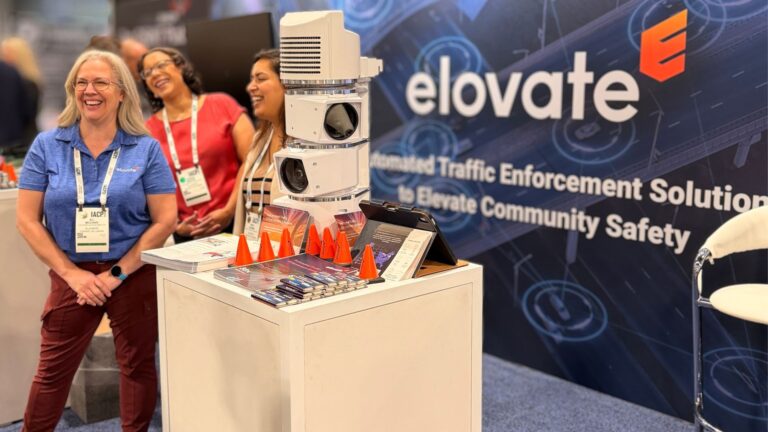
Thank you to everyone who stopped by our booth. Chiefs and command staff came from jurisdictions across the United States and Canada, and we also welcomed law enforcement leaders from South America and Europe who wanted to compare notes on how camera-based enforcement works in North American programs (or just get a hold of one of our popular Elovate plushies – we can appreciate anyone hunting for good tradeshow swag).
A special thank-you goes to the clients and partners who made time to visit us, some of whom spent long stretches at the booth talking through programs, plans and ideas. AI and new technology were everywhere in Orlando, and our own work leans on both. Still, no technology can replace connecting in person with the people we work with every day, and those conversations were one of the best parts of the week.
ATE vs. LPR: The Question We Heard Most
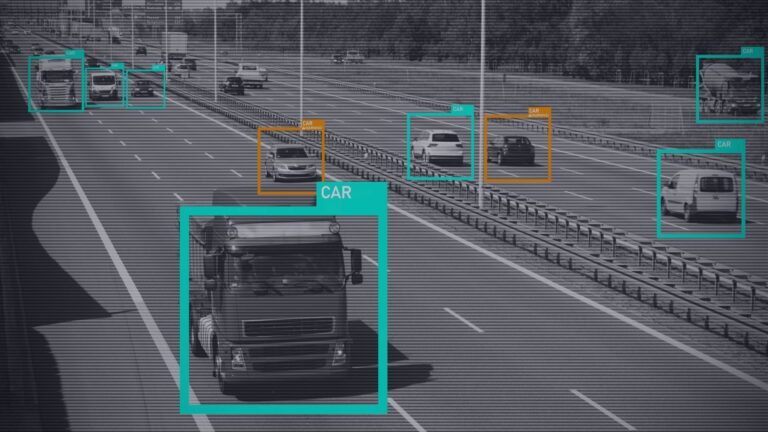
With license plate reader (LPR) networks in the headlines, many visitors wanted to understand how ATE differs. The distinction comes down to purpose and trigger. An ATE system records evidence when a specific violation occurs, such as a vehicle speeding through a school zone or entering an intersection on red. Trained reviewers check each event, and in most programs, a sworn officer approves it before any notice goes out.
LPR networks are typically built to read and store plates as vehicles pass, so the data can be searched later for investigations. Both technologies use cameras, but they answer different questions and carry different governance obligations. Chiefs told us that explaining this clearly to councils and residents matters as much as the equipment itself. We cover the topic in more depth in Elovate ATE vs. ALPR blog post.
Safety Outcomes Were Front and Center
Many conversations started with a simple question: does it work? The research gives a strong answer. The Federal Highway Administration lists speed safety cameras among its Proven Safety Countermeasures, and an IIHS study of 57 large U.S. cities found that red-light cameras reduced the per capita rate of fatal red-light-running crashes by 21 percent.
Program results point the same way. In Delaware’s work zone safety program, the I-95/SR 896 project recorded a 22 percent reduction in total crashes and a 23 percent reduction in injury crashes. Chiefs dealing with staffing shortages told us they value cameras for consistent enforcement at high-risk locations, which frees officers for calls that need a human response.
New Laws Brought New Visitors
Legislative momentum drove a large share of our booth traffic. Visitors from North Carolina asked how to get started under Senate Bill 391 (S.L. 2025-47), which has allowed cities and counties to use cameras to enforce school zone speed limits since October 1, 2025. Before any program can launch, the North Carolina Criminal Justice Education and Training Standards Commission must approve the camera systems, and that certification is expected later this month. The North Carolina leaders we spoke with are lined up at the starting gate, ready to move as soon as approval comes through. Our North Carolina resource page outlines how communities can prepare now so they are ready to launch.
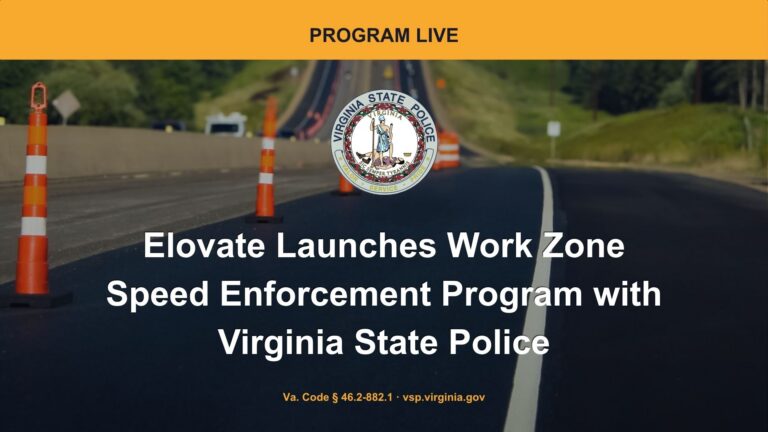
California came up often. AB 289 authorizes Caltrans to run a five-year work zone speed safety pilot on state highways, and SB 720 created a civil, administrative path for red-light enforcement. Both took effect January 1, 2026. Red-light bills in other states were another frequent topic, with many visitors asking how program design affects public support.
We also met a large number of officers from Texas. The state has prohibited red-light camera programs since 2019, yet Texas visitors were eager to talk about safety outcomes and program design, which shows how much interest the topic still holds there.
A Strong Team and a Memorable Chiefs Night
We came to Orlando with colleagues from sales, product, and program management, so visitors could get answers on contracts, technology and day-to-day operations in a single conversation. We are proud of how the team showed up.
Between conversations, we explored an exhibit hall full of new enforcement technology. Mobile and trailer-based platforms stood out, and it was exciting to see how fast that part of the industry is moving.
Our thanks go to IACP for an outstanding conference, including Chiefs Night. Parts of Universal Studios were reserved for attendees, with special IACP menus at the park’s restaurants and drink stations along the paths. Seeing the park at night and enjoying the rides alongside colleagues from across our teams was certainly a highlight of the week.
Looking Ahead to IACP 2027 in Philadelphia
Orlando was a wonderful host city, and IACP remains the trade show highlight of our year. IACP 2027 takes place October 9 to 12 in Philadelphia, and we look forward to continuing these conversations there. If we missed you this year, submitting the form here is the easiest way to reach our team before then.
You can also learn more about our Turn-key Automated Traffic Enforcement Solutions at https://elovate.com/solutions/
What We’re Taking Home From IACP 2026
We left Orlando with a clear sense of where the conversation is going. Police leaders are approaching ATE with care: they want proven safety results and clear limits on how data is used. As more states authorize school zone, work zone and red-light enforcement, we’re proud to support the agencies doing that work, and we’re grateful to everyone who stopped by our booth to share their time and ideas with us.
Frequently Asked Questions at Our Booth
Automated traffic enforcement (ATE) captures evidence only when a defined traffic violation occurs, such as speeding or running a red light, and each event is reviewed before a notice is issued. License plate reader (LPR) networks are generally designed to read and store plates from passing vehicles so the data can be searched later for investigations.
AI was on display across the exhibit hall, and visitors wanted to know where it fits in ATE. AI-assisted image processing can help sort events and flag unclear images faster, while the decision to issue a notice stays with trained reviewers and law enforcement. North Carolina’s school zone law, for example, requires a sworn officer to certify each violation.
North Carolina authorized cities and counties to use school zone speed cameras starting October 1, 2025. In California, a five-year Caltrans work zone speed safety pilot on state highways and a new civil framework for red-light enforcement both took effect January 1, 2026. Other states continue to debate red-light and speed camera legislation.